Understanding Cape Cod Homes
Cape Cod homes hold a special place in American architectural heritage, known for their charm and functionality. These quaint structures have evolved over the years, blending traditional craftsmanship with modern efficiency. The appeal of cape cod homes lies not only in their aesthetic value but also in their adaptability to various lifestyles and environments.
Historical Significance of Cape Cod Homes
Originating in the early 17th century, Cape Cod homes were traditionally designed to withstand harsh New England winters. Their origins can be traced back to the homes of English colonists who sought to replicate the simple, functional designs prevalent in their homeland. The unadorned style reflects the Puritan ethos of modesty and practicality, emphasizing simple rooflines and a focus on durability.
The architecture has historical significance, symbolizing resilience and ingenuity. As settlers adapted to local materials and environments, these homes became a representation of American identity. Today, the legacy continues as modern homeowners celebrate the heritage by restoring and constructing new cape cod homes, anchoring communities with a sense of history.
Key Features of Cape Cod Homes
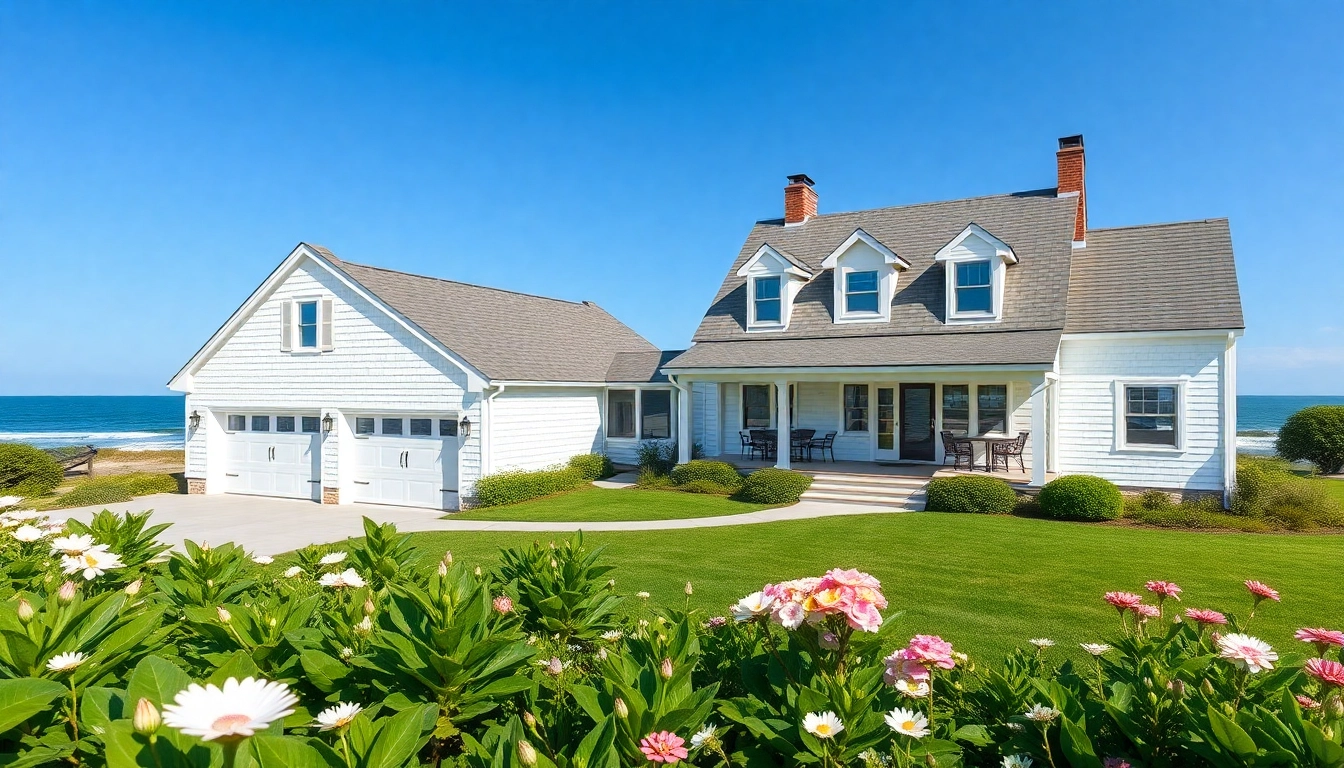
One of the most defining characteristics of Cape Cod homes is their steeply pitched roofs, designed to prevent snow accumulation. Other notable features include:
- Symmetrical Facades: Many homes boast a balanced design with central doors flanked by windows, enhancing visual appeal.
- Single Story or One-and-a-Half Stories: Most traditional designs feature a compact floor plan, maximizing living space within a manageable footprint.
- Natural Materials: Traditionally built from wood, the exteriors often feature clapboard siding or shingles, providing a rustic charm that integrates well with natural surroundings.
- Chimneys: Prominent fireplaces and chimneys serve as focal points, providing warmth and character to the homes.
Popular Styles and Variations
While the classic Cape Cod style remains popular, several variations have emerged to accommodate contemporary needs and preferences. Some of these include:
- Modern Cape Cod: This style incorporates sleek designs, incorporating larger windows and open floor plans to promote natural light.
- Cape Cod with Gambrel Roof: This variant offers additional space on the upper level, often used as extra bedrooms or living area.
- Beach Style Cape Cod: Found primarily near coastlines, these homes may feature lighter colors and nautical themes, enhancing their breezy, relaxed atmosphere.
Designing Functional Spaces in Cape Cod Homes
The design of Cape Cod homes focuses on practicality without sacrificing style. Important aspects include effective layouts that promote seamless living and enhance the overall utility of the space.
Effective Room Layouts
When designing functional spaces in Cape Cod homes, room layouts are paramount. An open-concept design often works well, integrating the living, dining, and kitchen areas. This layout not only optimizes space but also fosters connectivity among family members and guests.
Incorporating multifunctional furniture, such as fold-away dining tables or storage ottomans, can significantly enhance space utilization, catering to modern needs. Ensuring flow and accessibility throughout each room creates an inviting atmosphere, which is a hallmark of Cape Cod design.
Integrating Outdoor Spaces
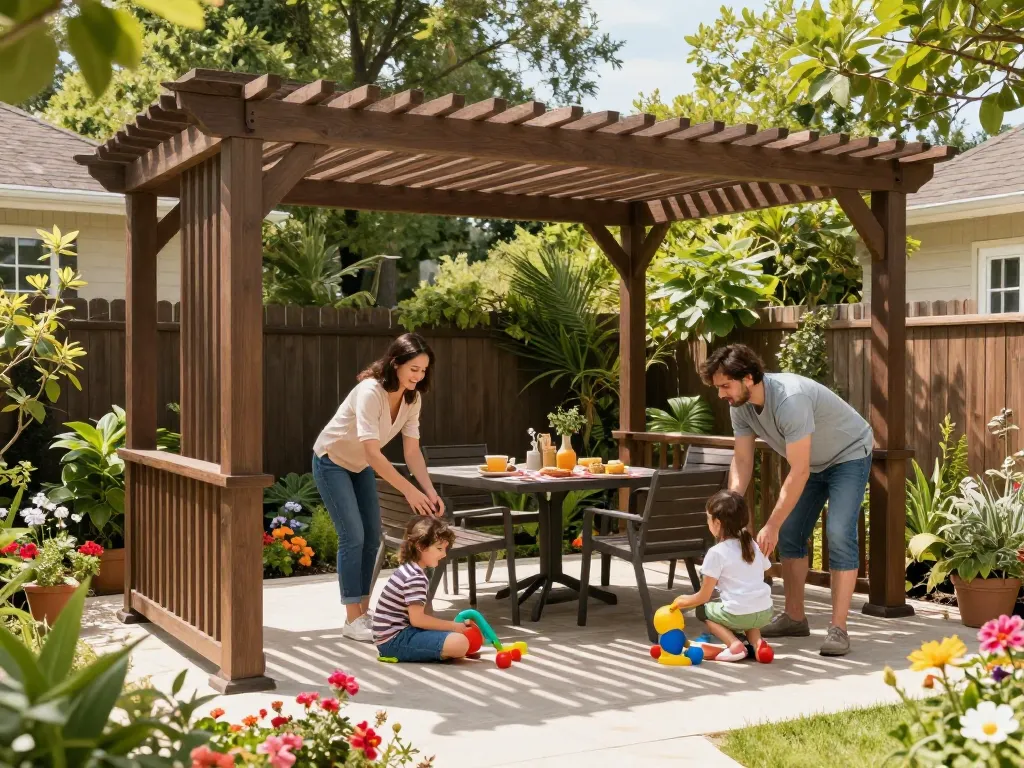
The relationship between indoor and outdoor spaces is vital in Cape Cod homes. Designing outdoor areas such as porches or decks allows residents to enjoy the natural landscape, which complements the homes’ rustic aesthetics. Many Cape Cod homes feature large, welcoming porches that provide a perfect transition into the backyard.
Landscaping plays a significant role, with native plants and low-maintenance gardens tailored to the coastal climate. Incorporating outdoor seating and dining areas invites leisurely gatherings and creates alfresco living extensions of the home.
Energy Efficiency Considerations
Modern Cape Cod homes increasingly emphasize energy efficiency to reduce environmental impact and utility costs. Key considerations include:
- Insulation: Using high-quality materials helps maintain temperature control, reducing the need for heating and cooling.
- Energy-efficient Windows: Installing double or triple-pane windows minimizes heat loss and enhances comfort.
- Smart Thermostats: These devices optimize energy use by adjusting heating and cooling according to occupancy patterns.
Integrating these features contributes significantly to a sustainable living approach while preserving the classic beauty of Cape Cod homes.
Modern Innovations in Cape Cod Home Architecture
As technology and design trends continue to evolve, so too do the innovations within Cape Cod architecture. Homeowners increasingly seek modern solutions to ensure their homes reflect contemporary lifestyles.
Sustainable Building Materials
With a growing emphasis on sustainability, many new Cape Cod constructions utilize eco-friendly materials. Options include reclaimed wood, recycled metal, and bamboo, which not only reduce environmental impact but also enhance aesthetic appeal.
Sustainable materials can be integrated into various elements, from siding to flooring, allowing homeowners to make choices that align with their values without compromising quality or style.
Smart Home Technologies
Integrating smart technologies offers modern convenience and connectivity. Innovations may include smart lighting systems, automated security features, and intelligent appliances that adapt to user preferences. These technologies add a layer of sophistication to Cape Cod homes, making them more functional and appealing in today’s digital age.
Furthermore, home automation can significantly improve energy efficiency, allowing homeowners to monitor and manage their usage with minimal effort.
Trends in Interior Design
The interior design of Cape Cod homes is leaning toward minimalist aesthetics characterized by light, airy spaces. Popular design elements embrace:
- Neutral Color Palettes: Soft colors such as whites, blues, and creams create a calming atmosphere that reflects the coastal surroundings.
- Natural Textures: Incorporating materials like jute, linen, and wood enhances both comfort and appeal.
- Vintage Accents: Integrating vintage decor can add character while honoring the historical significance of the architectural style.
These trends aim to create sophisticated yet relaxed interiors that resonate with the ethos of coastal living.
Maximizing Value with Cape Cod Homes
Pursuing a Cape Cod home can be a rewarding investment, but understanding market dynamics and renovation options is essential for maximizing long-term value.
Market Trends and Investment Insights
The real estate market for Cape Cod homes is influenced by diverse factors, including location and amenities. Homes near the coast tend to attract higher demand, while properties with updates and expansions are more appealing to buyers. Analyzing local market conditions is vital for making informed decisions that yield positive returns.
Potential buyers should also consider seasonal trends, as demand can fluctuate based on regional tourist activity, impacting property values.
Renovation Ideas for Increased Value
Renovations can significantly boost the value of a Cape Cod home. Some effective ideas include:
- Kitchen Upgrades: Modernizing the kitchen with new appliances and finishes enhances functionality and aesthetics, increasing appeal.
- Adding Living Space: Expanding or converting attic spaces into bedrooms or offices can cater to the growing trend of remote work and family living.
- Outdoor Enhancements: Investing in landscaping, outdoor kitchens, or fire pits can dramatically increase livability and marketability.
Careful planning and thoughtful design choices in these renovations can enhance both the enjoyment and investment value of the property.
Maintaining Your Cape Cod Home
Ongoing maintenance is critical to preserving the elegance and functionality of Cape Cod homes. Regular tasks include inspecting the roof, maintaining gutters, and refreshing exterior paint to protect against weather elements. Homeowners should also prioritize periodic structural inspections, particularly if the home is older.
Establishing a maintenance schedule can help in preemptively addressing issues before they escalate, ensuring the home retains its charm and value.
FAQs About Cape Cod Homes
What defines a Cape Cod home?
A Cape Cod home is characterized by a steeply pitched roof, symmetrical design, and a compact layout. These features promote stability, efficiency, and timeless aesthetic appeal.
How do I choose the right design?
Consider your lifestyle, preferences, and budget. Analyze space needs, functionality, and desired aesthetics to find a design that suits your requirements.
Are Cape Cod homes energy efficient?
Yes, modern Cape Cod homes utilize energy-efficient materials and technologies. Features like insulation and energy-efficient windows enhance their performance.
How much do Cape Cod homes cost?
The price of Cape Cod homes varies significantly based on location, size, and features. Areas near the coast generally command higher prices due to demand.
Where can I find inspiration for my Cape Cod home?
Inspiration can be found through design magazines, Pinterest boards, and architectural websites showcasing Cape Cod home designs and renovations.