Understanding the Basics of Bathroom Remodelling
Defining Bathroom Remodelling
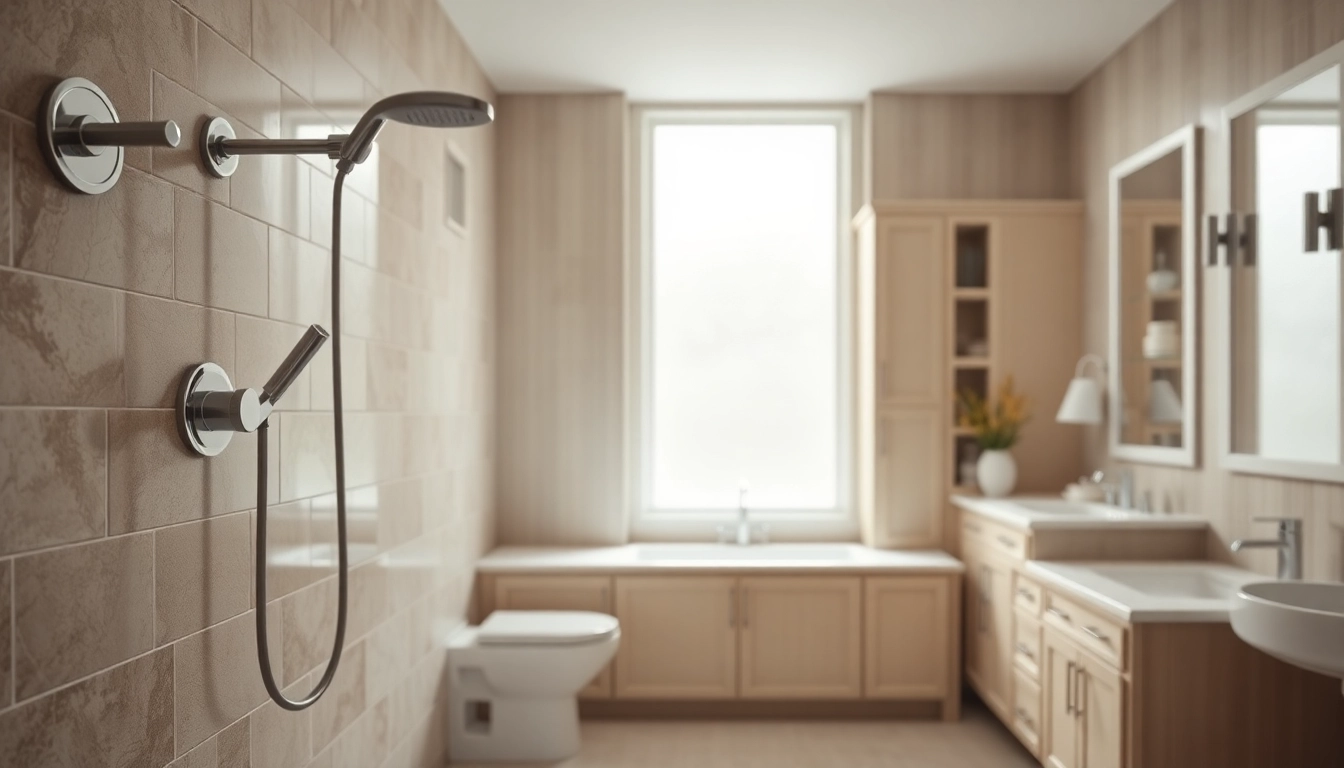
Bathroom remodelling involves updating or renovating the existing bathroom to improve its functionality, aesthetic appeal, and overall value. This process can vary in scope—from simple changes like updating fixtures and repainting to comprehensive renovations that may include altering layouts or enhancing plumbing and electrical systems. Remodelling transforms bathrooms into personalized spaces that reflect individual styles and meet modern needs.
Key Elements to Consider
When planning a bathroom remodelling project, several key elements should be considered:
- Functionality: Ensure the bathroom meets the functional needs of its users. Think about storage, countertop space, and accessibility.
- Style: Define your design preference, whether it’s modern, traditional, or a unique blend of styles.
- Lighting: Proper lighting impacts both functionality and aesthetics; consider a mix of natural and artificial sources.
- Ventilation: Effective ventilation prevents moisture buildup, protecting against mold and mildew.
- Budget: Establish a realistic budget that accounts for materials, labor, and unforeseen costs.
Common Misconceptions
Many homeowners may have misconceptions regarding bathroom remodelling, such as:
- All renovations are expensive: While costs can escalate, strategic planning can lead to budget-friendly options.
- DIY is always cheaper: DIY projects can sometimes lead to costly mistakes. Professional help may save money in the long run.
- Small bathrooms can’t be stylish: With the right design approach, even small spaces can be both functional and aesthetically pleasing.
Planning Your Bathroom Remodelling Project
Setting a Budget for Bathroom Remodelling
Establishing a comprehensive budget is integral to any bathroom remodelling project. Start by assessing costs associated with:
• Labor: Depending on the complexity, professional services may be necessary, affecting your budget significantly.
• Materials: Select both essential and decorative materials such as tiles, fixtures, and cabinetry, accounting for quality.
As you budget, add a contingency of about 10-20% for unexpected expenses that often arise during renovations. Tracking your expenditures can ensure you remain within budget while still achieving your vision.
Design Inspiration and Ideas
Gathering design inspiration can propel your remodelling project. Reliable sources include:
- Online Platforms: Websites like Pinterest or Houzz offer a wealth of images and ideas tailored to diverse aesthetics.
- Home Improvement Shows: Television programs deliver real-world insights into design trends and execution techniques.
- Showrooms: Visiting showrooms allows for hands-on experience with fixtures, materials, and layouts, promoting informed choices.
Choosing the Right Materials
The materials selected for your remodel can make a significant difference in both aesthetics and functionality. Consider:
- Durability: Opt for materials that withstand humidity and daily use; porcelain tiles and quartz countertops are excellent choices.
- Maintenance: Materials that require minimal maintenance free up time and reduce headaches post-remodel.
- Eco-friendliness: Look for sustainable options that reduce environmental impact, like reclaimed wood or low-VOC paints.
Executing Your Bathroom Remodelling
Hiring Professionals vs. DIY
Choosing between hiring professionals or tackling a DIY approach hinges on the complexity of the remodel and your skill set. Consider the following:
- Skills and Experience: Evaluate if you have the necessary experience for plumbing, electrical work, or carpentry.
- Time Constraints: Remodelling is time-intensive; professionals can expedite the process if you have limited free time.
For substantial remodels, enlisting specialists ensures compliance with building codes and reduces risks associated with improper installations.
Timeline for a Successful Remodel
Establishing a timeline can help keep your bathroom remodelling project on track. Key phases generally include:
- Initial Planning: 1-2 weeks for budgeting, material selection, and consultation.
- Demolition: Typically 1 week depending on the extent.
- Renovation Process: 2-6 weeks including plumbing, electrical, and other installations.
- Finishing Touches: 1-2 weeks for painting, decorating, and installing accessories.
Project management tools can enhance communication and transparency if multiple professionals are involved.
Permits and Regulations
Many bathroom remodels require specific permits, especially if they involve plumbing or electrical alterations. Familiarize yourself with local regulations early in the planning phase to ensure compliance:
- Check Local Laws: Understanding necessary permits will prevent costly penalties.
- Consult Professionals: Experienced contractors can often navigate the permitting process on your behalf.
Sustainable Practices in Bathroom Remodelling
Energy-efficient Fixtures
Incorporating energy-efficient fixtures contributes to a sustainable bathroom remodelling project. Look for:
- LED Lighting: Provides bright illumination at lower energy costs, lasting significantly longer than traditional bulbs.
- Low-flow Toilets: Designed to reduce water usage without compromising performance, leading to substantial water savings.
- Smart Technology: Devices such as motion-sensor faucets minimize water waste and enhance energy efficiency.
Water Conservation Strategies
In addition to energy-efficient fixtures, several water conservation strategies can be effectively implemented:
- Dual-flush Toilets: Offer the option between a full flush and a half flush to conserve water based on need.
- Water-efficient Showerheads: Reduce water use while maintaining a comfortable shower experience.
- Water Recycling Systems: These systems allow greywater from sinks or showers to be reused for irrigation or flushing toilets.
Eco-friendly Material Choices
Selecting eco-friendly materials not only beautifies your bathroom but significantly reduces the environmental impact. Consider:
- Recycled Materials: Items made from recycled content, such as glass tiles or reclaimed wood, add character while being environmentally sound.
- Natural Stone: Materials like granite or marble are durable and can often be sourced sustainably.
- Non-toxic Paints and Finishes: Opt for low-VOC paint and finishes to improve indoor air quality post-remodel.
Maintaining Your Newly Remodeled Bathroom
Routine Maintenance Tips
Establishing a maintenance routine ensures that your bathroom remains in great shape long after the remodelling. Consider:
- Regular Cleaning: Simple cleaning routines prevent grime buildup around fixtures and surfaces.
- Check Seals and Grout: Inspecting seals around bathtubs and sinks can prevent water damage.
- Ventilation Checks: Ensure ventilation is working properly to avoid mold growth and moisture buildup.
Addressing Common Issues
Even well-planned bathroom remodelling may encounter issues. Common problems include:
- Water Leaks: Regularly inspect plumbing to catch leaks early.
- Tile Cracks: Addressing cracks quickly prevents water damage behind walls.
- Mold and Mildew: Promptly clean any signs of mildew, and ensure proper ventilation to prevent recurrence.
Long-term Value of Bathroom Remodelling
Investing in bathroom remodelling significantly impacts property value. A well-executed remodel can yield:
- Increased Resale Value: An updated bathroom is a focal point for potential buyers and can lead to a higher selling price.
- Enhanced Daily Enjoyment: A personalized, modern space increases daily satisfaction and comfort.
- Energy Efficiency Savings: Over time, energy and water-efficient fixtures can lead to lower utility bills.
FAQs About Bathroom Remodelling
What’s the average cost of a bathroom remodelling project?
The average cost can vary widely, generally ranging from a few thousand to tens of thousands, depending on factors like size and scope.
How long does a bathroom remodel typically take?
A bathroom remodel usually takes 2 to 6 weeks, depending on the complexity and whether professionals are involved.
Can I remodel a bathroom on my own?
Yes, many homeowners take on DIY projects, although professional help is recommended for plumbing or electrical work for safety.
What are the latest trends in bathroom design?
Popular trends include minimalistic designs, bold statement fixtures, natural materials, and smart technology integration.
Is it worth it to remodel a bathroom?
A bathroom remodel adds significant value to your home and enhances your quality of life, making it a worthwhile investment.