
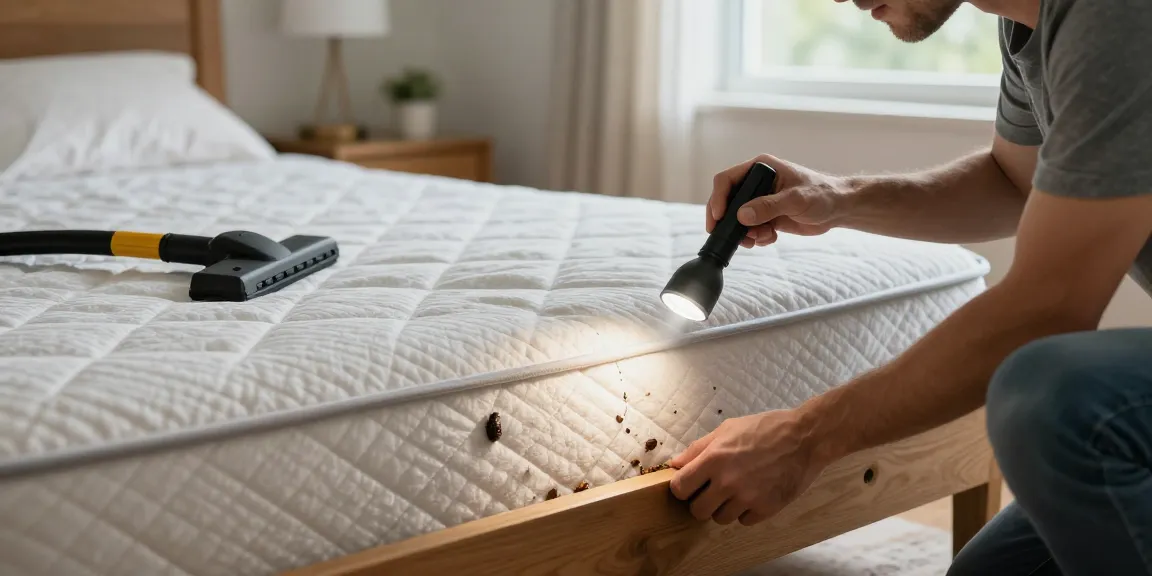
Understanding Bed Bugs and Their Impact on Your Home
Bed bugs are increasingly becoming a significant nuisance in homes, hotels, and various public spaces across Milwaukee and beyond. These tiny, elusive pests can wreak havoc not only on your sleep but also on your mental well-being. With their ability to reproduce rapidly and survive long periods without feeding, they can turn a minor issue into a substantial infestation very quickly. This article will delve deep into what bed bugs are, how to identify them, the health impacts they pose, and, most importantly, effective bed bug control strategies to eliminate them.
What Are Bed Bugs?
Bed bugs (Cimex lectularius) are small, nocturnal insects that primarily feed on the blood of humans and animals. Adult bed bugs are approximately the size of an apple seed, with a flat, oval shape and a reddish-brown color. Despite their small size, they are visible to the naked eye and have a distinct and unpleasant odor, often described as a musty smell. Their life cycle consists of several stages, including egg, nymph, and adult, with females capable of laying up to 500 eggs in their lifetime, resulting in swift population growth.
Common Signs of Infestation
Recognizing the signs of a bed bug infestation early is crucial for effective control. Some common indicators include:
- Bites: Itchy welts or rash-like marks typically appear in clusters or lines on the body.
- Stains: Small bloodstains on bedsheets or mattress edges caused by crushed bugs after feeding.
- Dark Spots: Fecal spots (tiny dot-like stains) on surfaces where bed bugs hide.
- Shells: Shed exoskeletons found in hiding spots, indicating the presence of nymphs.
The Effects of Bed Bugs on Health and Well-being
While bed bugs are not known to transmit diseases, their bites can lead to discomfort and anxiety. Some individuals may experience allergic reactions to bed bug bites, resulting in severe itching and secondary infections due to excessive scratching. Moreover, the psychological impact of a bed bug infestation can be significant, leading to sleep disturbances, anxiety, and general stress. Therefore, timely intervention is essential not only for physical well-being but also for mental health.
Effective Bed Bug Control Strategies for Homeowners
When facing a bed bug infestation, homeowners must assess their options for control carefully. While DIY methods can provide temporary relief, professional extermination services are often necessary for complete eradication.
Professional Bed Bug Extermination Services
Hiring a professional exterminator is arguably the most reliable solution for bed bug control. These experts use a combination of techniques tailored to the specific situation, including heat treatments, chemical sprays, and steam methods. A thorough inspection by trained professionals can identify the extent of the infestation and the most effective treatment strategy. Moreover, reputable extermination services utilize discreet methods, such as unmarked vehicles, to ensure client privacy throughout the process.
DIY Bed Bug Control Techniques
For those who prefer to tackle the problem themselves, several DIY techniques can help mitigate bed bug issues, including:
- Vacuuming: Regularly vacuuming floors, carpets, and furniture can help capture bed bugs and their eggs.
- Washing Bedding: High temperatures can kill bed bugs and their eggs, so washing bedding and affected fabrics in hot water is effective.
- Diatomaceous Earth: This natural powder can be sprinkled in areas where bed bugs roam; it damages their exoskeletons and dehydrates them.
Choosing the Right Treatment Method: Heat vs. Chemical
Two main types of treatments dominate the bed bug control landscape: heat treatment and chemical spray. Heat treatments involve raising the room temperature to a lethal level (typically above 120°F) for bed bugs, effectively killing all life stages, including eggs. This method is eco-friendly and avoids the use of potentially harmful chemicals. In contrast, chemical sprays can offer lingering protection and are particularly effective in preventing re-infestation. However, it’s important to consider the safety of chemical treatments, especially in homes with pets or small children.
Preventing Bed Bug Infestations: Best Practices
Once you’ve eradicated bed bugs, the key to maintaining a bed-bug-free home lies in prevention. Here are some best practices to consider:
Regular Inspection and Monitoring Tips
Routine inspections of your home can help catch bed bug problems early. Check beds, furniture, and any travel items for signs of bed bugs periodically. Pay special attention to seams, folds, and cracks where these pests may hide. Implementing a monitoring system, such as bed bug interceptors placed under bed legs, can also help detect bed bugs before they become a larger issue.
Travel Tips to Avoid Bringing Bed Bugs Home
Bed bugs are notorious hitchhikers, making travel a potential risk for infestation. To minimize the chance of bringing these pests home:
- Inspect Hotel Rooms: Thoroughly check the bedding and furniture in hotel rooms before settling in.
- Store Luggage Properly: Keep your luggage off the floor and use hard-shell cases rather than fabric ones.
- Wash Clothes Immediately: Upon returning, wash your clothes in hot water and dry them on high heat to kill any potential bed bugs.
Proper Use of Mattress and Furniture Protectors
Investing in high-quality mattress and box spring encasements can help prevent bed bug infestations. These protectors create a barrier, making it difficult for bed bugs to enter or escape from your mattress, effectively trapping any bugs inside. Additionally, furniture protectors can help safeguard couches and chairs from infestations.
Case Studies: Successful Bed Bug Control Stories
Real-life testimonials and case studies provide insight into the effectiveness of various treatment methods. Here are a few documented success stories:
Real-Life Examples of Effective Treatments
One notable case involved a family in Milwaukee that reported persistent bed bug problems despite attempts at DIY methods. After consulting with professionals, a heat treatment was implemented, resulting in complete eradication within a single day. Another case highlighted the use of a combined approach with chemical treatments and encasements, leading to a successful long-term solution.
Lessons Learned from Past Infestations
Lessons from these encounters emphasize the importance of professional help and the dangers of procrastinating when signs of bed bugs appear. Early intervention is key to avoiding a larger crisis.
Testimonials from Satisfied Customers
Many clients have expressed gratitude for the thorough and compassionate service of expert exterminators, highlighting their prompt responses and effective solutions that prioritize customer satisfaction.
Future Trends in Bed Bug Control in 2026 and Beyond
As technology advances, so do the methods of pest control. Here are some emerging trends that could shape bed bug control in the future:
Emerging Technologies for Bed Bug Detection
Innovative detection technologies, such as trained K9 units, are gaining popularity in the pest control industry. These specially trained dogs can detect bed bugs through scent long before visible signs appear, enabling early intervention.
The Role of Eco-Friendly Treatments
With growing concerns over chemical exposure, eco-friendly treatments are becoming more desirable. Treatments that use non-toxic materials and integrated pest management strategies are set to become the norm in the fight against bed bugs.
Community Awareness and Education Initiatives
Increasing public awareness about bed bugs through community programs and educational initiatives is critical. As knowledge spreads, individuals will be better equipped to prevent and respond to infestations effectively.
What are the most effective ways to eliminate bed bugs?
Effective elimination often requires a combination of professional treatments and ongoing home maintenance. Regular inspections and proactive measures will help keep your home bed-bug-free.
How can I tell if I have a bed bug problem?
Look for physical signs like bites, stains on sheets, or actual bugs. If you’re uncertain, professional inspections can confirm the presence of these pests.
Are chemical treatments safe for pets and children?
While many chemical treatments are designed to be safe, always consult with your exterminator about potential risks. Proper preparation and follow-up protocols are essential for safety.
What preventative measures can I take after treatment?
Regular inspections, the use of mattress encasements, and ongoing vigilance when traveling can help maintain a bed-bug-free environment.
How often should I check for bed bugs?
Regular checks should be part of your routine, especially after travel or if you notice any signs of a potential infestation.