
Understanding the Sandakphu Trek
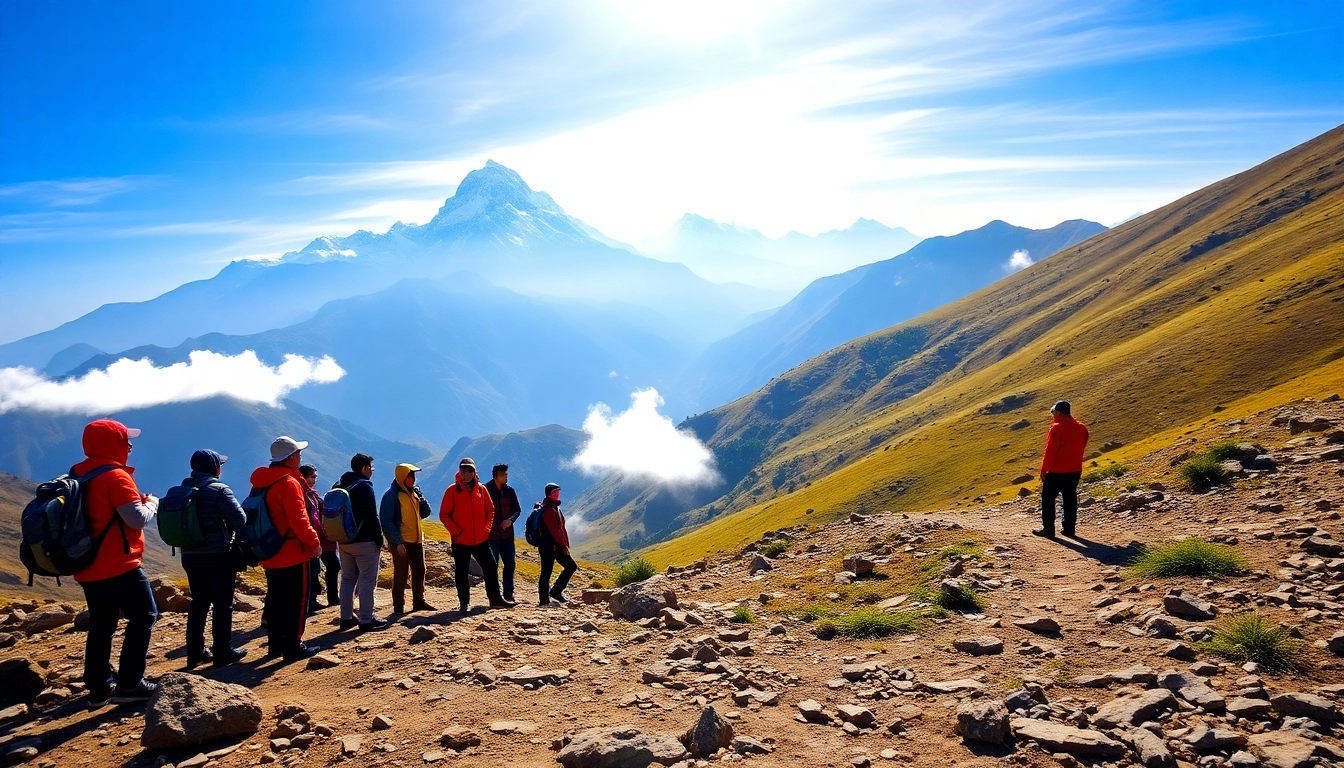
The sandakphu trek is a breathtaking journey through the Himalayan landscapes that promises unmatched views of some of the highest peaks in the world. Spanning the India-Nepal border, this trek offers adventurers a unique opportunity to witness majestic mountains, diverse flora and fauna, and rich cultural experiences. It is not just a hike; it is an exploration of nature intermingled with moments of self-discovery and spiritual connection.
What Makes the Sandakphu Trek Unique?
One of the key features that set the Sandakphu trek apart from other Himalayan treks is its panoramic view of four of the world’s highest peaks: Mount Everest, Kanchenjunga, Lhotse, and Makalu. The trek’s elevation and the relatively moderate difficulty make it accessible for trekkers with varying experience levels. The trail meanders through lush rhododendron forests, serene villages, and rolling meadows, creating a stunning backdrop that changes throughout the hike.
Geographical Overview of the Trek Route
The trek typically begins at Manebhanjang in West Bengal and ascends to Sandakphu at an altitude of 3,636 meters (11,929 feet). It involves several stops at picturesque locations, including Tumling and Phalut, before returning via the same path or exploring the alternate route through Gorkhey and Sirikhola. The landscape alternates between lush valleys, dense forests, and rocky terrain, making for a varied trek experience.
Best Time to Undertake the Sandakphu Trek
The best months for embarking on the Sandakphu trek are March to April and October to November. During these periods, trekkers can experience clear skies and minimal rainfall, which provides optimum visibility of the mountain ranges. Spring offers blossoming flora, while autumn showcases the stunning fall colors, making both seasons a favorite among photographers and nature lovers alike.
Preparing for the Sandakphu Trek
Preparation is crucial for a successful trek. From physical conditioning to organizing necessary gear, proper preparation contributes significantly to the trekking experience.
Essential Gear and Equipment
When preparing for the Sandakphu trek, the right equipment can make a substantial difference. Essential items include a sturdy pair of trekking shoes, warm clothing layers, a waterproof jacket, and a good-quality sleeping bag. Additionally, trekking poles can provide extra support on steep ascents and descents. Carrying a first-aid kit, a water purification system, and sufficient snacks is also advisable to maintain energy levels during the trek.
Physical Readiness and Training
A moderate level of physical fitness is essential for the Sandakphu trek. It is recommended to engage in regular cardiovascular exercises such as jogging, cycling, or swimming in the lead-up to the trek. Moreover, participating in practice treks over hills or uneven terrain can help acclimatize your body to the trekking conditions. Aim to build endurance gradually, focusing on longer hikes as the trek date approaches.
Health and Safety Considerations
Altitude sickness is a concern when trekking at high elevations. It is crucial to recognize the symptoms, which may include headache, nausea, and dizziness. Trekkers should ascend gradually, allowing time for acclimatization. Staying well-hydrated and avoid alcohol can help mitigate these risks. Additionally, consulting a doctor before embarking on the trek, especially for those with pre-existing medical conditions, is advisable.
Navigating the Sandakphu Trek Itinerary
A well-structured itinerary helps in organizing daily schedules and ensuring that trekkers can maximize their experience.
Day-by-Day Breakdown of the Trek
The Sandakphu trek typically spans around 6-7 days. On Day 1, trekkers travel from Manebhanjang to Tumling, enjoying the early views of Kanchenjunga. Day 2 involves trekking from Tumling to Kalapokhri, where trekkers can experience diverse landscapes and encounter local wildlife. Day 3 continues from Kalapokhri to Sandakphu. This is the highlight of the trek, with breathtaking panoramic views available at the summit. The return leg of the trek usually goes from Sandakphu to Gorkhey or descends back to Tumling. Every day provides a unique set of experiences, with distance and elevation changing daily, so a gradual pace is essential.
Accommodation Options Along the Route
Accommodation options on the trail vary from basic guesthouses to homestays in local villages. While facilities may be limited, the warm hospitality of the local people enhances the experience. It is advisable to book accommodation in advance during peak seasons to ensure availability.
Local Cuisine and Dining Experiences
Trekkers can relish simple yet hearty Nepali cuisine during their journey. Typical meals include dal bhat (lentils and rice), vegetable curries, and various local snacks. The dining experience provides an excellent opportunity to engage with local culture and tastes, enhancing the overall trekking experience.
Expert Tips for a Successful Sandakphu Trek
Understanding certain key tips can help ensure a successful and enjoyable trek.
Top Tips for Trekking in Varying Weather Conditions
Weather conditions in the Himalayas can be unpredictable. Layering clothing is essential to adapt to changing temperatures. Moreover, carrying waterproof gear is crucial, especially during the monsoon season. Stay updated on the weather forecasts and prepare accordingly for sudden changes.
How to Capture the Best Photography Moments
The Sandakphu trek offers numerous opportunities for stunning photography, from sunrises over mountain peaks to vibrant wildflowers. Early morning and late afternoon provide the best lighting for landscape photography. Always respect nature and local communities when capturing images, and seek permission before photographing individuals.
Understanding Local Culture and Etiquette
Engaging with local communities is an enriching part of the trek. Demonstrating respect for cultural customs, such as greeting locals, dressing appropriately, and being mindful of the environment, can foster positive interactions. Understanding local traditions and making an effort to communicate, such as learning simple phrases in Nepali or Tibetan, can enhance the experience considerably.
Frequently Asked Questions About Sandakphu Trek
How difficult is the Sandakphu trek?
Sandakphu trek is rated as moderate. While the trail involves long walking hours and varies in terrain, it is manageable for trekkers with a reasonable fitness level.
Which month is best for the Sandakphu trek?
The ideal months for the Sandakphu trek are March, April, September, October, and November, as they provide favorable weather and stunning mountain views.
Can beginners do the Sandakphu trek?
Yes, beginners in good physical shape can undertake the Sandakphu trek. The trail is not too difficult but requires endurance and stamina for longer durations.
Can I see Mount Everest from Sandakphu?
Indeed, Sandakphu offers spectacular views of Mount Everest along with Kangchenjunga and other notable peaks, providing breathtaking panoramic vistas.
What is the total distance of the Sandakphu trek?
The total distance of the Sandakphu trek is approximately 50 kilometers, filled with thrilling adventures and stunning landscapes along the way.