Understanding Whole House Repiping
What is Whole House Repiping?
Whole house repiping refers to the process of replacing all of the water pipes in a residence. Over time, pipes can corrode, break, and deteriorate, leading to potential leaks and decreased water quality. This procedure is essential for maintaining a reliable and healthy plumbing system, especially in homes built several decades ago. Plumbing materials such as galvanized steel, polybutylene, or lead can be particularly problematic. Homeowners often choose to repipe to ensure safe, efficient water delivery while enhancing the overall value of their property. As such, many turn to whole house repiping services St Petersburg FL for professional assistance.
Signs You Need Whole House Repiping
Identifying when to repipe a home can be paramount in preventing costly water damage and health hazards. Here are some common signs that indicate the necessity of repiping:
- Frequent Leaks: If you notice persistent leaks within your plumbing system, this is a strong sign that pipes are failing.
- Discolored Water: Rusty or brown water often indicates corroded pipes, which can compromise water quality.
- Low Water Pressure: A sudden drop in water pressure can suggest blockages or leaks within your pipes.
- Age of Pipes: Homes with older plumbing systems—typically over 50 years—may require repiping to meet current building codes and standards.
- Unusual Noises: Strange sounds like banging or rattling can hint at loose or deteriorating pipes.
Benefits of Whole House Repiping
Investing in a whole house repiping offers numerous advantages that can significantly enhance your living environment:
- Improved Water Quality: Replacing aging pipes ensures cleaner, safer water that tastes and smells fresh.
- Increased Property Value: A modern plumbing system is a selling point for potential buyers, enhancing your property's market attractiveness.
- System Efficiency: New pipes can allow for better water flow, which can lead to savings on your utility bills.
- Reduced Risk of Water Damage: Eliminating corroded and faulty pipes decreases the likelihood of future leaks and floods.
- Peace of Mind: Knowing your plumbing system is in excellent condition can relieve stress and anxiety about potential plumbing emergencies.
Choosing the Right Materials
Copper vs. PEX: Which is Better?
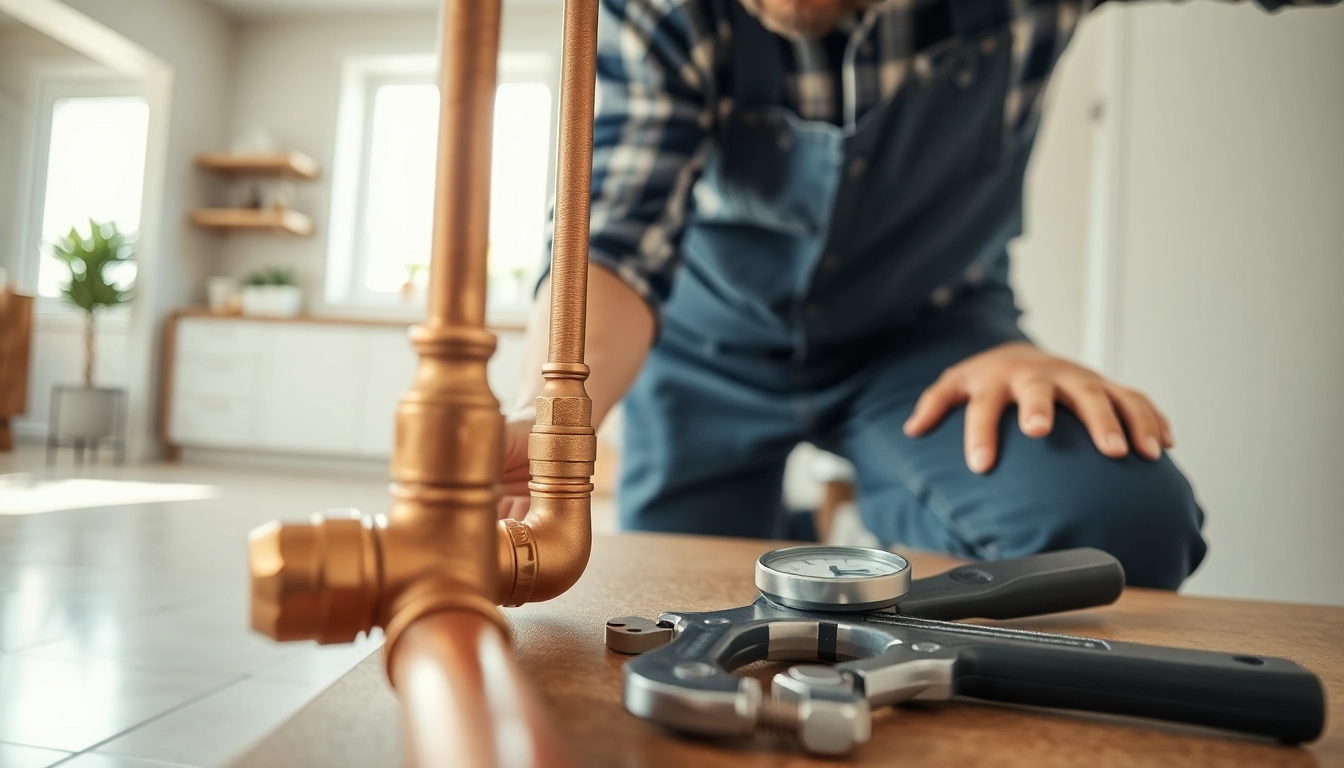
When contemplating repiping options, copper and PEX (cross-linked polyethylene) are the two most popular materials available today. Copper has been a longstanding choice due to its durability and resistance to corrosion. It can last over 50 years and often withstands extreme temperatures.
On the other hand, PEX has gained popularity for its flexibility, ease of installation, and reduced labor costs. PEX is also resistant to scale and chlorine, does not corrode, and can expand if frozen, reducing the risk of bursting.
Ultimately, the choice between copper and PEX depends on various factors including budget, local building codes, and personal preference. Copper may be better suited for particular high-end installations, while PEX offers cost-efficiency and ease of use for many residential applications.
Durability and Maintenance of Different Pipes
The lifespan and maintenance requirements of plumbing materials are vital considerations in the repiping process:
MaterialLifespanMaintenanceCopper50+ yearsRequires minimal maintenance, but can corrode depending on water quality.PEX30-50 yearsNo corrosion, flexible, but should be protected from direct sunlight.Galvanized Steel20-50 yearsProne to corrosion and requires regular inspections.CPVC50+ yearsLow maintenance, but can become brittle over time.
Cost Considerations for Materials
The costs associated with repiping vary widely, impacted by material choices and project scope. Copper pipes generally range between $3 to $5 per foot, making them one of the more expensive options. In contrast, PEX is typically priced between $0.50 to $2 per foot, offering a more budget-friendly alternative. When budgeting for materials and labor, you should also factor in aspects such as installation complexity, location of pipes within walls, and any necessary permits.
While initial costs may vary, consider that investing in high-quality materials can lead to long-term savings through lower maintenance needs and reduced water bills.
The Repiping Process Explained
Preparing Your Home for Repiping
Preparation is critical to ensuring a smooth repiping process. Start by scheduling a consultation with plumbing professionals who can evaluate your current plumbing system. During this initial visit, it’s essential to discuss your needs and any concerns about your existing pipes.
As part of the preparation, homeowners should clear spaces near exposed pipes and ensure easy access for plumbing crews. This might involve moving furniture or accessing your basement or crawl space.
It’s advisable to prepare for potential water shut-offs, which will be necessary during the installation, so arranging alternative water sources for cooking and cleaning can prove helpful.
Step-by-Step Repiping Overview
The repiping process generally follows these steps:
- Initial Inspection: Professionals assess the condition of existing plumbing and recommend necessary replacements.
- Planning: A detailed plan is created outlining the scope of repiping, including areas of focus and types of materials.
- Water Supply Shut-Off: The system is shut down to prevent any flooding or additional leaks.
- Old Pipe Removal: Existing pipes are carefully removed to make way for new ones, ensuring no damage to walls and fixtures.
- Installation of New Pipes: New pipes are installed according to the plan, with particular attention given to ensuring proper fittings, accessibility, and code compliance.
- Testing: Once installation is complete, the system undergoes pressure testing to confirm that there are no leaks.
- Cleanup: The area is thoroughly cleaned, and any mess made during the process is addressed, making the completion seamless for homeowners.
Timeline for Completing Repiping Projects
The duration of a repiping project can greatly vary based on home size and complexity. Most whole house repiping projects can be completed in one to three days. Factors influencing the timeline include the extent of existing plumbing, the number of new fixtures being installed, and any unforeseen complications that may arise during the process. A well-prepared home can expedite the project timeline and lead to greater efficiency.
Post-Repiping Considerations
Common Issues to Watch For
Following repiping, homeowners should remain vigilant for common plumbing issues. Although new pipes are less likely to leak, it’s essential to check for:
- Leakages: Monitor areas where pipes connect to fixtures for signs of water.
- Unusual Noises: Pay attention to any tapping or banging noises, which can indicate air in the system.
- Low Water Pressure: Regularly test water pressure in sinks and showers to ensure consistent performance.
How to Maintain Your New Plumbing
Proper maintenance plays a crucial role in extending the life of your new plumbing system. Here are some best practices:
- Regular Inspections: Schedule annual inspections with plumbing professionals to catch potential issues early on.
- Water Quality Monitoring: Test your water supply regularly to check for contaminants that can affect pipe integrity.
- Preventative Measures: Use strainers in drains to prevent debris from causing clogs, and avoid chemical drain cleaners that can harm pipes.
Signs of Future Plumbing Needs
Even after a successful repiping, be mindful of the long-term signs indicating future plumbing needs:
- Changes in Water Taste or Smell: These can indicate a problem developing elsewhere in your plumbing.
- Persistent Clogs: Frequent blockages may signal deeper issues in the drainage system.
- Increased Utility Bills: A sudden spike in water bills without clear explanation could imply hidden leaks.
FAQs About Whole House Repiping Services St Petersburg FL
How often should I consider repiping my home?
Typically, consider repiping if you experience frequent leaks or corrosion. Age and pipe material play a significant role.
Is repiping a messy process?
Repiping can create some mess; however, professionals take measures to minimize disruption and clean up afterward.
How long does repiping take?
Most whole house repiping projects take one to three days, depending on the size and complexity of the plumbing system.
Can I stay in my house during repiping?
Yes, many families remain in their homes, though some water shut-offs may be necessary temporarily.
What are the costs associated with whole house repiping?
Repiping costs vary based on materials and home size, typically ranging from several thousand to tens of thousands of dollars.