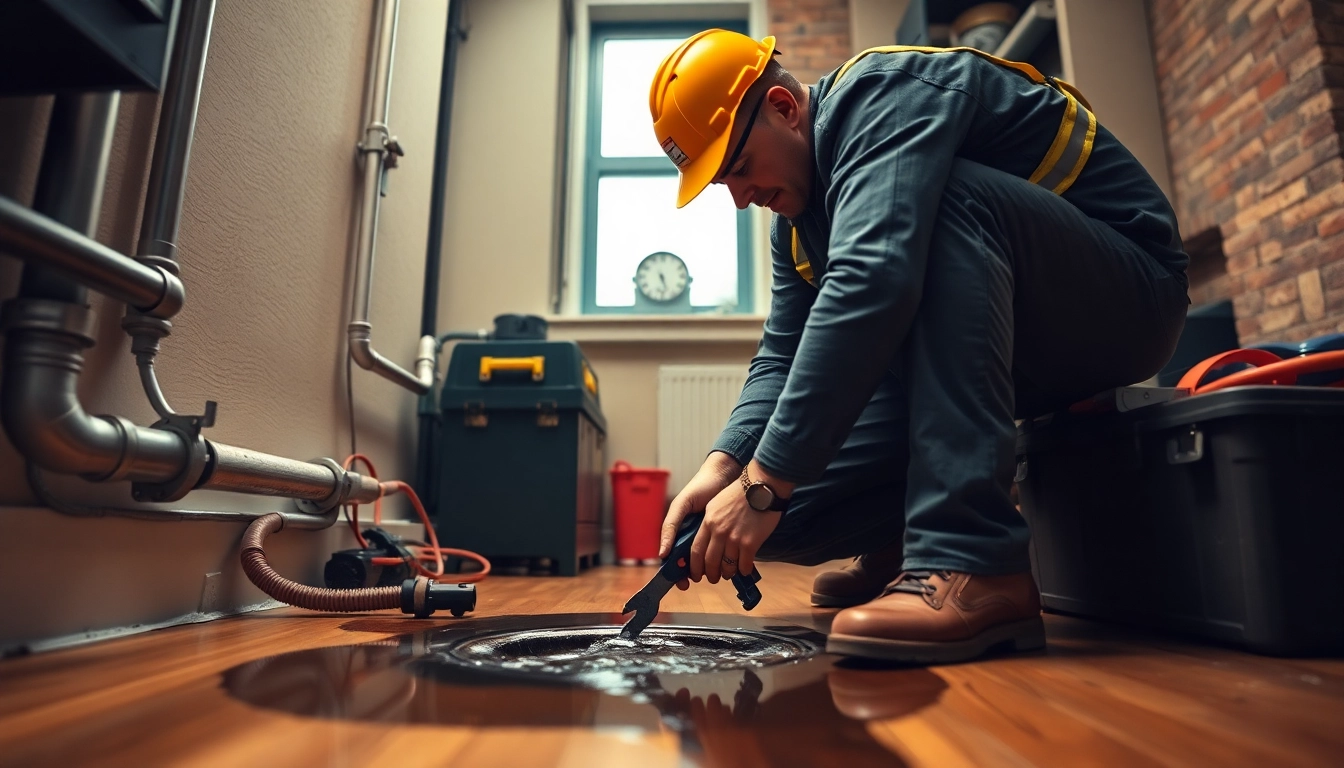
Understanding Sewer Backup Emergencies
In bustling New York City, unexpected plumbing issues often snap into focus at the most inconvenient times, and sewer backups are among the most urgent of these crises. A sewer backup emergency isn't just a minor inconvenience; it can lead to severe structural damage and pose health risks due to potential exposure to harmful sewage. Understanding the nature of these emergencies is crucial for homeowners and business operators alike. When you find yourself facing such a situation, it’s essential to know where to turn for emergency plumbing help for sewer backup to mitigate potential damages and restore normalcy as quickly as possible.
What Constitutes a Sewer Backup Emergency?
A sewer backup emergency occurs when sewage or wastewater reverses flow into homes or businesses due to blockages or system failures. This scenario is alarming, as it often leads to unsanitary conditions and can disrupt daily activities significantly. Some common situations classified as sewer emergencies include:
- Overflowing toilets
- Sinks or tubs that refuse to drain
- Raw sewage seeping into basements or yards
- Foul odors and gurgling sounds from plumbing fixtures
If you encounter any of these issues, it’s vital to consider them as emergencies that require immediate attention from experienced plumbing professionals.
Common Causes of Sewer Backups
Sewer backups can occur for various reasons, often stemming from both internal and external factors. Some of the most prevalent causes include:
- Clogs: Accumulations of grease, hair, soap, and other debris can lead to blockages in the sewer line.
- Tree Roots: Roots can invade and damage sewer pipes, causing significant obstructions.
- Pipe Collapses: Deterioration, particularly in older clay pipes, can lead to structural failures.
- Heavy Rainfall: Inundation from storms can overwhelm sewer systems, resulting in backflows.
Understanding these causes can aid in preventative measures and timely responses to plumbing crises.
Signs You Need Emergency Plumbing Help
Recognizing the early signs of a sewer backup is vital. Here are some indications that you may need to seek emergency plumbing help:
- Multiple drains backing up simultaneously
- Unusual gurgling sounds from drains
- Slow drainage in sinks or bathtubs
- Unpleasant sewer odors
If you notice any of these symptoms, it is advisable to act promptly to prevent further complications.
Immediate Actions to Take During a Sewer Backup
When faced with a sewer backup, the immediate steps you take can significantly impact the extent of damage incurred. Here are some essential actions to consider:
Safety Measures and Precautions
Safety should be your first priority. If sewage begins to back up into your space, ensure that everyone is moved to a safe distance from the contaminated area. It’s crucial to avoid contact with sewage, as it can pose serious health risks. If possible, shut off the electricity in the affected area to prevent electrical hazards.
How to Minimize Property Damage
After ensuring safety, take steps to minimize property damage:
- Use buckets or containers to catch and divert leaking sewage.
- Start moving valuables and furniture away from the contaminated area.
- Document the damage for insurance purposes, including photos and notes.
These measures can help protect your property and facilitate a smoother restoration process.
When to Call for Professional Assistance
Knowing when to call in the experts is crucial. If the backup is extensive or if you cannot identify and resolve the issue quickly, reach out to a licensed emergency plumbing service immediately. Time is of the essence, as delaying can lead to more severe damage and increased costs.
Choosing the Right Emergency Plumbing Service
Selecting a qualified plumbing service is essential for addressing sewer backup emergencies effectively. Here are some steps to ensure you make the right choice:
Researching Local Plumbing Experts
Start by researching local plumbing companies that specialize in emergency services. Look for businesses with strong reputations and positive reviews from prior clients. Utilize online directories and social media platforms to gather comprehensive insights into service providers in your area.
What to Look for in a Plumbing Company
When evaluating potential plumbers, consider these factors:
- Licensing and insurance to protect against liabilities
- Experience with sewer backup emergencies and related issues
- Transparent pricing structures with no hidden fees
By carefully vetting your options, you can find a trustworthy plumbing service to address your emergency needs.
Reading Reviews and Testimonials
Utilize customer testimonials and reviews to gauge the effectiveness of a plumbing service. Pay attention to feedback regarding response times, workmanship quality, and customer service. This can provide valuable insights into what you can expect.
Preventive Measures Against Future Sewer Backups
Preventing sewer backups requires consistent maintenance and awareness of potential plumbing issues. Here are some strategies to help safeguard your property:
Regular Maintenance Tips for Homeowners
Implementing regular plumbing maintenance can help detect problems early. Consider scheduling annual plumbing inspections and cleanings to ensure your systems are functioning properly. Regular upkeep can significantly reduce the likelihood of future backups.
Identifying and Fixing Potential Plumbing Issues
Be vigilant for signs of trouble within your plumbing system, such as:
- Frequent clogs and slow drains
- Unusual odors or gurgling sounds
- Visible wear or corrosion on pipes
Addressing these issues promptly can prevent them from escalating into major setbacks.
Best Practices for Drain Care
Maintaining your drains is essential for preventing sewer backups. Some best practices include:
- Avoid pouring grease or oil down drains
- Use drain covers to catch hair and debris
- Regularly flush drains with hot water and vinegar to reduce buildup
By adopting these habits, you can keep your plumbing systems running smoothly and minimize risks of future backups.
Future Trends in Emergency Plumbing Services
The plumbing industry is evolving, and several trends are emerging in emergency services that could transform customer experiences:
Technological Innovations in Plumbing
Modern plumbing companies are increasingly employing technology to respond more effectively to service requests. Innovations such as app-based scheduling, remote diagnostics, and video inspections are enhancing customer convenience and service efficiency.
Eco-Friendly Plumbing Solutions
There's a growing emphasis on sustainable plumbing practices, as many companies pivot to eco-friendly products and solutions. This includes environmentally conscious plumbing fixtures and repair techniques that minimize waste and conserve water.
The Importance of Continuous Training for Plumbers
As technology and methodologies evolve, so too must the skills of plumbing professionals. Ongoing training and certification programs are increasingly crucial to ensure plumbers stay up to date on current standards and best practices, ultimately benefiting customers in emergency situations.