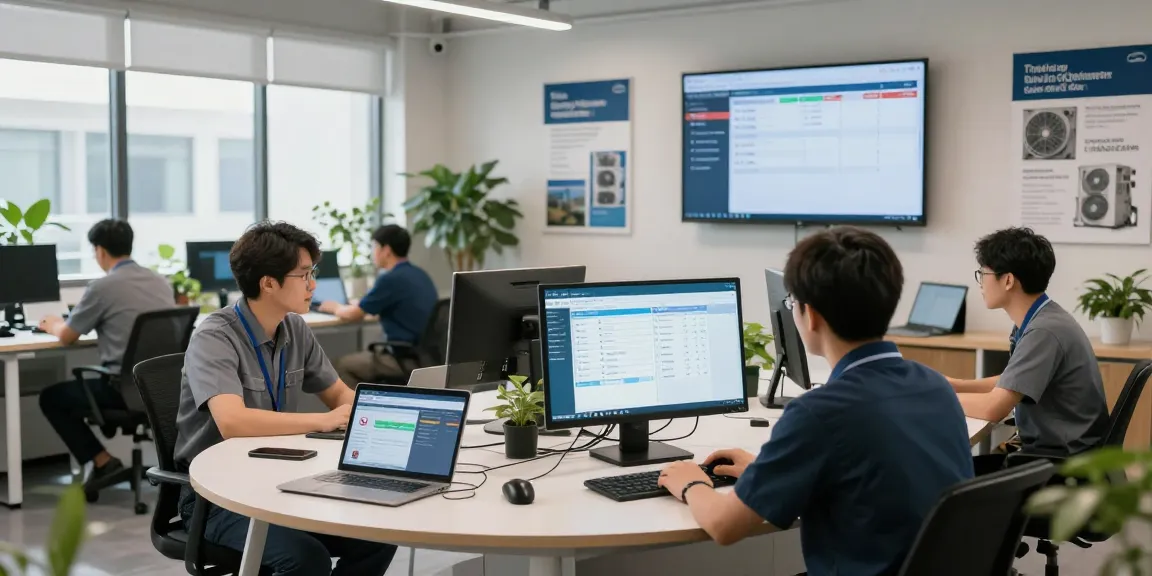
Understanding HVAC Service Software
In the fast-paced world of HVAC (Heating, Ventilation, and Air Conditioning), keeping operations streamlined while enhancing customer satisfaction is essential. One of the most effective methods to achieve this is by implementing comprehensive * HVAC service software. This technology not only aids in scheduling and invoicing but also integrates robust features that cater to the specific needs of HVAC professionals.
What is HVAC Service Software?
HVAC service software is a digital solution designed to assist HVAC businesses in managing their daily operations more effectively. This type of software typically includes features for job scheduling, customer relationship management (CRM), invoicing, dispatch management, and inventory tracking. By automating routine tasks, HVAC technicians can focus on providing high-quality service to their customers.
Key Features of Effective HVAC Software
To optimize HVAC operations, effective software should encompass the following essential features:
- Scheduling and Dispatching: Automates the assignment of jobs to technicians based on their availability, geographic location, and skill set.
- Customer Management: Keeps track of customer interactions, service history, and preferences to improve client relations.
- Invoicing and Payments: Streamlines the billing process with customizable invoice templates and multiple payment options.
- Mobile Accessibility: Allows technicians to access job details, update status, and communicate with customers on-the-go.
- Inventory Management: Monitors equipment and parts in real time, ensuring that technicians have the necessary tools for each job.
Benefits of Implementing HVAC Service Software
Adopting HVAC service software brings numerous benefits that can significantly impact business efficiency and customer satisfaction:
- Enhanced Efficiency: Automating scheduling and dispatch tasks reduces administrative workload, allowing companies to focus on core activities.
- Improved Customer Satisfaction: Quick access to customer information and streamlined communication lead to quicker response times and happier clients.
- Data-Driven Decisions: Analytics and reporting capabilities help businesses identify trends and areas for improvement.
- Reduced Costs: By optimizing routes and inventory management, HVAC companies can minimize unnecessary expenses.
Choosing the Right HVAC Service Software
With numerous options available, selecting the right HVAC service software can be daunting. Key considerations include:
Essential Criteria for Selection
- User-Friendly Interface: The software should be intuitive, allowing for easy navigation for both office staff and field technicians.
- Scalability: The software must accommodate the growth of your business, supporting additional users and features as needed.
- Integration Capabilities: Look for software that easily integrates with existing tools such as accounting software and customer databases.
- Customer Support: Evaluate the quality of technical support provided by the software vendor, ensuring that assistance is readily available.
Comparing Top HVAC Software Solutions
When comparing HVAC software solutions, it is crucial to assess the unique offerings of each. Leading solutions such as ServiceTitan, Jobber, and FieldEdge have garnered positive reviews due to their robust feature sets and user-centered designs. Each solution has its strengths, so consider your specific needs when evaluating these platforms.
Real-World Case Studies: Success Stories
Many HVAC companies have successfully implemented software solutions that have transformed their operations. A notable example is a mid-sized HVAC distributor that adopted a cloud-based platform, resulting in a 30% reduction in scheduling errors and a notable increase in customer retention rates due to improved service experiences. Such case studies highlight the tangible benefits of using HVAC service software.
Implementing Your HVAC Service Software
Transitioning to a new software system requires careful planning. Here’s a step-by-step approach for a smooth implementation:
Step-by-Step Installation Guide
- Identify Key Stakeholders: Involve team members from various departments to gather insights on requirements.
- Choose the Right Software: Based on your criteria, select a software solution that best fits your business needs.
- Data Migration: Transfer existing data into the new system, ensuring accuracy and completeness.
- Software Configuration: Customize the software settings to match your operational processes and preferences.
- Testing: Conduct thorough testing of the software to identify any issues before full-scale deployment.
- Go Live: Launch the software across your operations with continuous monitoring for any necessary adjustments.
Training Your Team for Success
Effective training is crucial for maximizing the benefits of new software. Conduct workshops that cover all features of the HVAC service software, allowing employees to practice using the platform. Providing continuous support and refresher courses can further enhance their proficiency and confidence.
Integrating Software with Existing Processes
Seamless integration with existing operational workflows is vital. HVAC service software should complement your current systems rather than disrupt them. Collaborate with IT staff and software vendors to ensure that all integrations are correctly configured and functioning as intended.
Maximizing Efficiency with HVAC Service Software
To fully leverage the potential of your HVAC service software, implement best practices for daily operations:
Best Practices for Daily Operations
- Regular Updates: Keep software updated to benefit from the latest features and security enhancements.
- Data Accuracy: Ensure that all data entered into the system is accurate, as this will impact reporting and decision-making.
- Utilize Automation: Automate routine tasks such as appointment reminders and follow-ups to save time.
Using Analytics to Drive Performance
Leverage the analytics tools within your HVAC service software to gain insights into business performance. Regularly review reports on job completion rates, customer feedback, and technician productivity to inform decision-making and improve service quality.
Case Examples of Increased Productivity
One HVAC company reported a 40% increase in technician productivity within six months of implementing new software. By optimizing routes and schedule management, the company was able to complete more jobs per day and reduce overtime costs. Such improvements not only enhance profit margins but also customer satisfaction.
Future Trends in HVAC Service Software for 2026 and Beyond
The HVAC industry is on the cusp of digital transformation, with several trends shaping the future of service software:
AI and Automation Enhancements
Artificial Intelligence (AI) is becoming a game-changer for HVAC service software. AI can analyze data in real-time to predict equipment failures, optimize scheduling based on historical patterns, and even provide personalized customer interactions, leading to enhanced service delivery.
Emerging Technologies to Watch
Technologies like IoT (Internet of Things) and machine learning are paving the way for more connected HVAC systems. Software that integrates with IoT devices enables HVAC companies to monitor systems remotely and receive alerts about potential issues before they escalate, significantly improving service efficiency.
Adapting to Changing Consumer Needs
As consumer preferences evolve towards sustainability and energy efficiency, HVAC service software will need to adapt accordingly. Solutions that help businesses track energy consumption and provide eco-friendly recommendations will become increasingly valuable to consumers.
What features should I look for in HVAC service software?
Look for features that support scheduling, CRM, invoicing, mobile access, and inventory management for a comprehensive solution tailored to your needs.
How can HVAC service software improve customer satisfaction?
By streamlining communication and job management, HVAC service software can reduce response times and enhance service quality, leading to higher customer satisfaction.
What are the costs associated with implementing HVAC software?
Costs vary based on features and company size, but investing in HVAC software typically results in long-term savings through increased efficiency and reduced operational costs.
How does HVAC service software integrate with mobile tech?
Most HVAC service software is designed for mobile compatibility, allowing technicians to access job details and communicate with clients while in the field, improving responsiveness and service quality.
What support options are available for HVAC software users?
Vendors usually offer various support options, including live chat, phone support, and comprehensive documentation to assist users in navigating challenges effectively.