Understanding Mitsubishi Mini Split AC Systems
What is a Mitsubishi Mini Split AC?
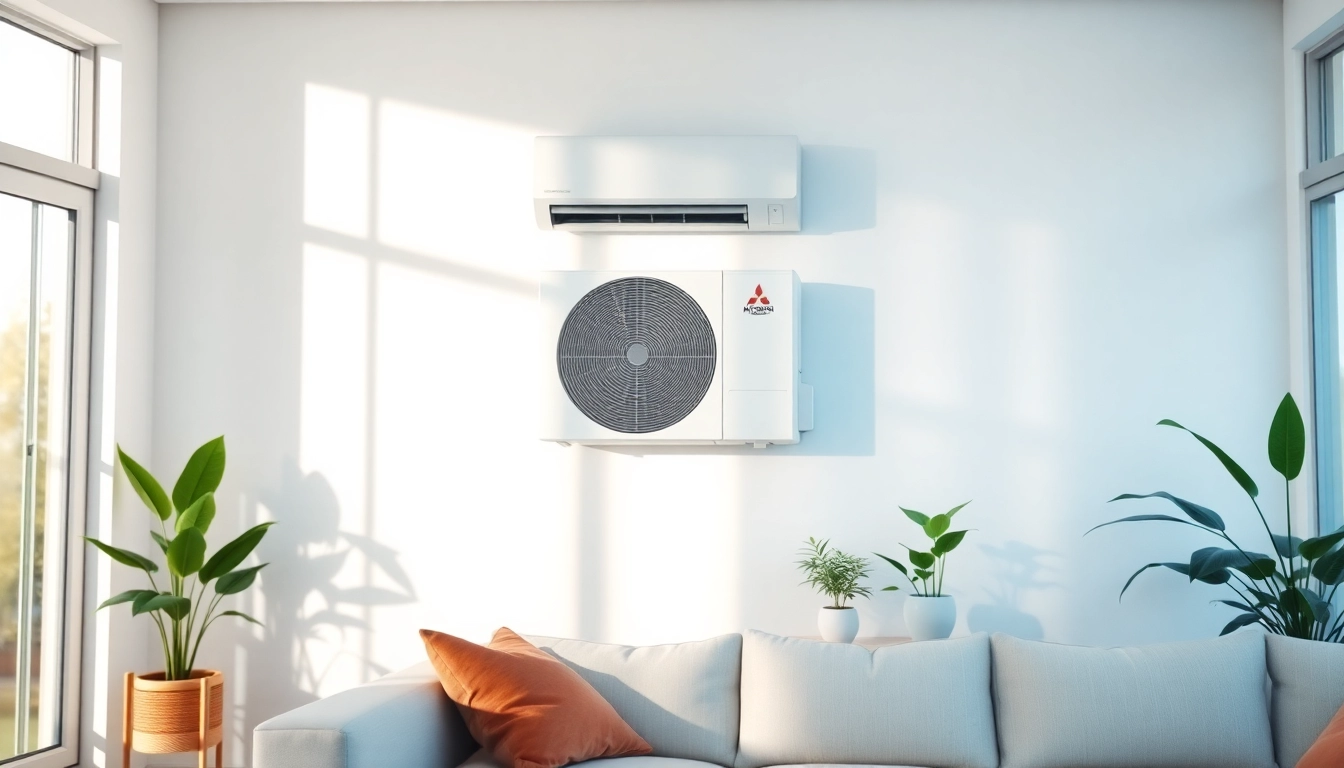
A Mitsubishi mini split AC is a type of air conditioning system that is versatile and efficient. It consists of an indoor unit and an outdoor unit, which are connected by a refrigerant line. Unlike traditional central air systems, mini splits do not require ductwork, making them an ideal choice for various spaces. Their compact design allows for easy installation in homes, offices, and other buildings, providing effective cooling and heating solutions without the need for extensive renovations. For those looking to upgrade their cooling systems, exploring options for a mitsubishi mini split ac can be a game changer.
Key Features of Mitsubishi Mini Split AC
Mitsubishi mini split AC systems are renowned for their innovative features. Key features include:
- Inverter Technology: This technology allows the compressor to adjust its speed based on the required cooling demand, enhancing energy efficiency.
- Quiet Operation: Most mini split systems operate quietly, providing comfort without the distracting noise of traditional units.
- Multi-Zone Cooling: Mitsubishi systems can connect multiple indoor units to one outdoor unit, allowing for customized temperature control in different rooms.
- Remote Control: Many models come with wireless remote controls for convenient temperature adjustments.
- High SEER Ratings: They typically boast high Seasonal Energy Efficiency Ratio (SEER) ratings, indicating superior energy efficiency.
How Mitsubishi Mini Split AC Works
The operation of a Mitsubishi mini split AC is based on a refrigeration cycle. The main components involved include the evaporator, compressor, condenser, and expansion valve. Initially, the indoor unit absorbs heat from the indoor air, and the refrigerant is vaporized and sent to the compressor. The compressor then pressurizes the gas and sends it to the outdoor unit, where it releases the heat, turning back into a liquid. This liquid refrigerant is then cycled back to the indoor unit to absorb additional heat, effectively cooling the indoor environment.
Advantages of Choosing Mitsubishi Mini Split AC
Energy Efficiency Benefits
Energy efficiency is one of the most compelling reasons to choose a Mitsubishi mini split AC. With the integration of inverter technology, these systems use significantly less energy compared to traditional AC units. By modulating their output based on the current cooling demand, mini splits can operate at lower capacities without wasting energy. This technology not only reduces electricity bills but also lessens the overall environmental impact of cooling systems.
Space-saving Design
The compact design of Mitsubishi mini split AC units makes them incredibly versatile. Unlike traditional systems that require bulky ductwork, mini splits can be mounted high on walls or even recessed into ceilings, preserving valuable floor space. Their aesthetic appeal also allows them to blend into various interior designs, providing efficient cooling without compromising on style.
Quiet Operation Explained
Noise pollution can be a significant concern with air conditioning systems; however, Mitsubishi mini split AC units are designed to operate quietly. The indoor units typically produce noise levels as low as 19 decibels, comparable to a whisper. This makes them particularly appealing for bedrooms and other quiet spaces, enhancing comfort without the disturbances typically associated with traditional air conditioning systems.
Installation Considerations for Mitsubishi Mini Split AC
Choosing the Right Location
Choosing the right location for your Mitsubishi mini split AC is crucial for optimal performance. The indoor unit should be installed in a place where airflow is not obstructed and where it can effectively circulate cool air throughout the space. Ideally, it should be installed high on the wall, as this allows for the cold air to flow down and mix with the warmer air at lower levels. The outdoor unit should be placed in a shaded area or equipped with deflectors to minimize direct sunlight exposure, which can hinder efficiency.
Professional Installation vs. DIY
While some might consider a DIY installation for a Mitsubishi mini split AC due to its relative simplicity, professional installation is recommended for several reasons. First, a qualified technician ensures that the system is installed correctly, adhering to local building codes and safety standards. Additionally, professionals can properly size the system for the space, which is essential for efficient operation. An improper installation can lead to decreased efficiency, increased energy costs, and potential equipment failure.
Initial Setup and Configuration Tips
After installation, it is important to configure your Mitsubishi mini split AC for optimal performance. This involves setting the right temperature for your space, usually between 72°F and 78°F for cooling. Utilizing the energy-saving mode and programmable timers can help maximize efficiency. It is also advisable to familiarize yourself with the remote control features to enhance comfort settings, such as adjusting fan speed and mode settings based on the daily schedule.
Maintenance Best Practices for Mitsubishi Mini Split AC
Regular Cleaning and Filter Replacement
To keep your Mitsubishi mini split AC functioning optimally, regular maintenance is essential. This includes cleaning the air filters every month and replacing them as necessary, typically every 3-6 months. Dust and debris accumulation can restrict airflow, reducing efficiency and potentially leading to system damage. Additionally, cleaning the indoor unit and outdoor unit’s fins and coils helps maintain optimal thermal exchange and prevents overheating.
Common Issues and Troubleshooting
Common issues that users may encounter with Mitsubishi mini split AC units can include inadequate cooling, unusual noises, and leaks. If the system is not cooling effectively, first check the air filters and settings. For noise-related issues, inspect for loose parts or debris. If there’s a refrigerant leak, it’s crucial to contact a professional technician, as handling refrigerants requires certification. Regular inspections and maintenance can often prevent these issues from arising.
When to Call a Professional
Knowing when to call a professional can save you time and money in the long run. If you experience persistent issues that you cannot resolve through basic troubleshooting, or if your system is requiring frequent repairs, it’s advisable to seek professional support. Additionally, during routine maintenance, if you notice any unusual wear and tear, such as rust, corrosion, or mold growth, it’s best to consult a qualified technician to evaluate your system’s health.
Frequently Asked Questions about Mitsubishi Mini Split AC
How energy efficient is a Mitsubishi mini split AC?
Mitsubishi mini split AC systems are known for their high energy efficiency, often featuring SEER ratings above 20, which means they consume less energy than traditional units for the same cooling output.
What is the lifespan of a Mitsubishi mini split AC?
With proper maintenance, a Mitsubishi mini split AC can last between 15 to 20 years, offering reliable cooling and heating performance across its lifespan.
Can I use a Mitsubishi mini split AC for heating?
Yes, many Mitsubishi mini split AC models include heat pump functionality, allowing them to efficiently provide heating in addition to cooling.
Is professional installation necessary?
While it’s possible to install a Mitsubishi mini split AC yourself, professional installation is recommended to ensure it operates efficiently and meets safety standards.
What maintenance is required for Mitsubishi mini split AC?
Maintenance includes regular cleaning/replacement of air filters, coils, and fins, along with periodic inspections by a qualified technician to ensure optimal performance and longevity.