Understanding Colonial Home Renovation
What is Colonial Home Renovation?
Colonial home renovation refers to the process of updating, restoring, or enhancing homes built in the colonial architectural style that flourished in America between the early 1600s and the mid-1800s. These homes are known for their symmetrical design, gabled roofs, and traditional materials. Renovating a colonial home involves carefully balancing the desire for modern functionality with the need to preserve historical aesthetics. This can include making structural improvements and incorporating modern amenities while respecting the building’s original charm. As homeowners begin their journey in colonial home renovation, they will find it crucial to understand these elements deeply to maintain integrity while achieving their design goals.
Key Features of Colonial Architecture
Colonial architecture is characterized by distinctive features that symbolize its historical roots. Common attributes include:
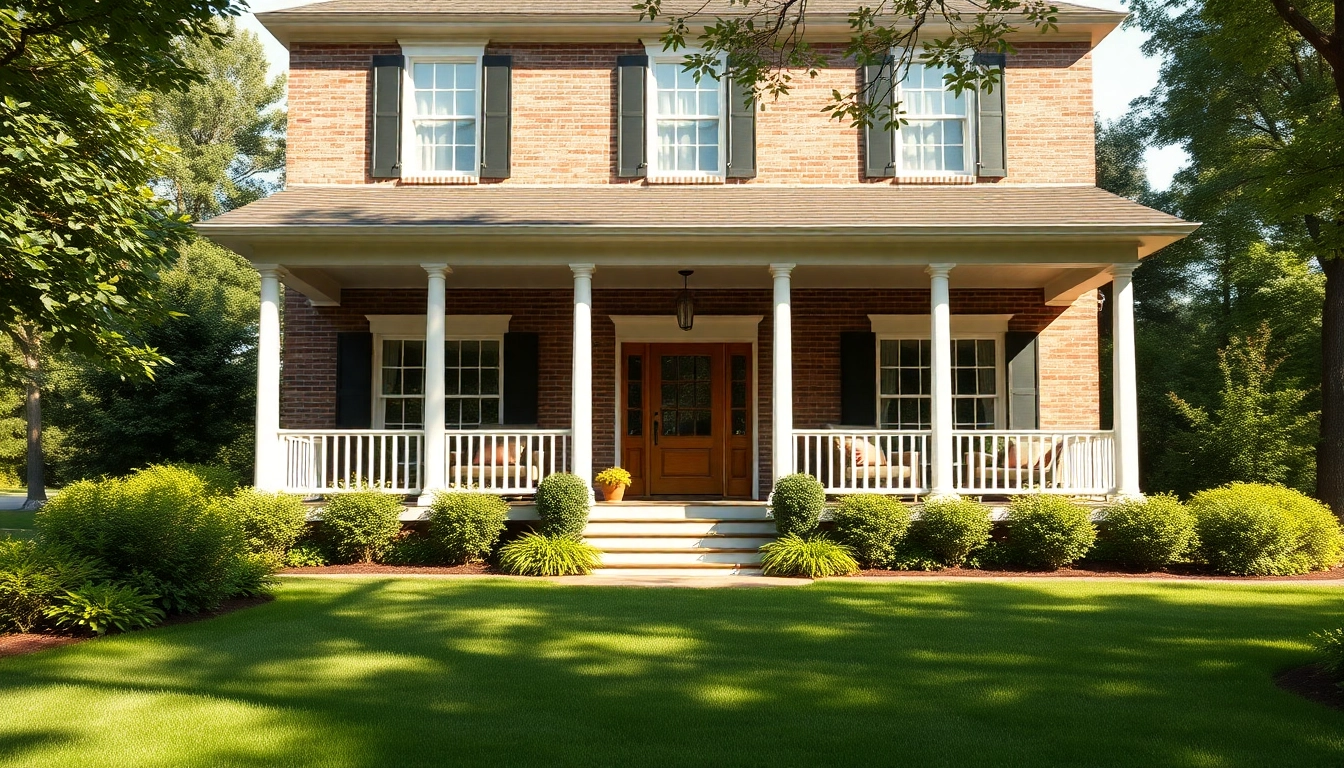
- Symmetry: Colonial homes often display a balanced façade, which is not only aesthetically pleasing but also represents the orderly values of colonial society.
- Geometric Shapes: Commonly rectangular in form and designed with simple geometric lines, these homes emphasize clarity and simplicity.
- Central Chimneys: Many colonial homes feature a central chimney, which was crucial for heating before the widespread use of modern heating systems.
- Multi-Paned Windows: Windows in colonial homes typically sport multiple small panes, which enhance the façade’s historical visual impact.
- Gabled Roofs: A distinctive feature, often steeply pitched, gives colonial homes their classic silhouette.
The Importance of Historical Preservation
Preserving historical architecture is vital not only for cultural heritage but also for education and community identity. Colonial homes serve as reminders of America’s history and evolution in architecture. Renovating with careful attention to historical accuracy can maintain a community’s character while allowing homeowners to enjoy modern conveniences.
Moreover, historically preserved homes often appreciate in value, making them both a personal and financial investment. Preservation also encourages future generations to understand their communal roots, connecting them with the past.
Planning Your Colonial Home Renovation
Assessing Your Renovation Goals
Before embarking on a colonial home renovation, it is essential to clarify your objectives. Are you looking to modernize the home for better energy efficiency? Or do you want to restore it to its original historical splendor? Perhaps your focus is on enhancing the space for family living while respecting its character. Conducting a thorough needs assessment can help clarify these goals.
Engaging the family in discussions can provide insights into how the space can better serve its occupants, incorporating future needs, such as more open areas for entertaining or dedicated spaces for remote work.
Budgeting for a Colonial Home Renovation
Creating a detailed budget is a crucial step in the renovation process. This begins with evaluating the scope of your project:
- Assessment Costs: Engaging professionals for home assessments, including structural engineers and architects.
- Renovation Costs: Costs related to materials, labor, and permits should all be factored into the budget.
- Unexpected Expenses: Set aside a contingency fund, typically about 10-15% of your total budget, for unanticipated repairs or complications.
Proper planning can help minimize financial strain and allow for a smooth renovation process.
Finding the Right Professionals
The success of your colonial home renovation largely depends on the professionals you choose to work with. Look for contractors and architects with specific experience in historical renovations. They can provide invaluable insights into the nuances of working with colonial architecture:
- Architects: Seek out architects knowledgeable in preserving historical styles; they understand how to blend the old with the new.
- Contractors: Find contractors who have testimonials or case studies showcasing their proficiency in colonial renovations. Ask for references from previous projects similar to yours.
- Specialty Trades: Consider hiring specialists in masonry, carpentry, or restoration work to maintain integrity.
Design Considerations for Colonial Homes
Preserving Architectural Integrity
Pursuing design choices that uphold architectural integrity is essential in colonial home renovations. This can mean sourcing period-appropriate materials, styles, and finishes that align with the home’s historical era. Authenticity can significantly increase the home’s market value, while also appealing to future buyers interested in historical properties.
One practical step is to consult historic design guidelines or resources provided by preservation societies. These will help ensure compliance with local regulations and maintaining original charm.
Modern Amenities in Historic Spaces
Incorporating modern amenities such as updated plumbing, electrical wiring, and HVAC systems can function effectively without detracting from historical aesthetics. For instance, installing discreet built-in cabinets can help optimize space while ensuring that visual clutter is minimized.
Use of smart home technologies can also be integrated seamlessly, offering comfort and energy efficiency while preserving the aesthetic appeal of the colonial home. Homeowners are encouraged to seek out solutions that blend well with traditional elements.
Color Schemes and Materials to Use
Choosing appropriate color schemes involves selecting hues reflective of 18th-century palettes. These often include earth tones, soft pastels, and muted tones. Paint can dramatically alter a room’s ambiance while respecting its historic origins.
Materials should also align with the authentic styles, using wood, clay bricks, and stone combinations that were prevalent during the colonial period. For instance, opting for reclaimed wood for flooring not only emphasizes sustainability but also brings a sense of history into modern living spaces.
Execution of Colonial Home Renovation
Permitting and Regulations
Securing the necessary permits is vital to avoid legal complications during your renovation. This is particularly crucial for historic homes, where specific regulations may apply. Start by consulting local regulations and building codes, particularly those that govern renovations on historical properties.
Working with professionals who have experience navigating the permitting process can ensure that you are fully compliant, saving time and money in the long run. This process may involve several rounds of applications and approvals, so starting early is advisable.
Step-by-Step Renovation Process
The renovation process typically unfolds in a series of structured steps:
- Pre-renovation Assessment: Examine the home’s structural integrity and identify areas needing attention.
- Design Development: Create design plans based on assessments and defined goals.
- Demolition and Reconstruction: Begin with any necessary demolition, followed by structural changes.
- Installations: Install modern amenities while focusing on preserving historical elements.
- Finishing Touches: Finalize aesthetics, including paint, fixtures, and furnishings.
Common Challenges and Solutions
Renovating a colonial home comes with its unique set of challenges. Here are some common issues and practical solutions:
- Structural Issues: Older homes often have hidden damage. Professional inspections can identify serious issues early.
- Historic Preservation Compliance: Ensuring your renovation meets local guidelines is essential. Engage with historic preservation agencies for guidance.
- Material Sourcing: Authentic materials can be difficult to find. Utilize reclaimed materials or specialty suppliers who focus on historical accuracy.
Maintaining Your Renovated Colonial Home
Seasonal Maintenance Tips
Seasonal maintenance is key to preserving the integrity and aesthetics of your renovated colonial home. Key maintenance tasks include:
- Regular inspections of the roof and chimney to prevent leaks.
- Cleaning gutters to prevent water damage.
- Checking window glazing and seals to maintain energy efficiency.
Consistent upkeep can prevent major repairs, ensuring your home remains as beautiful as the day it was renovated.
Home Improvement Trends to Consider
Staying updated with home improvement trends can enhance both comfort and value in a colonial home. Some trends include:
- Eco-Friendly Renovations: Incorporating sustainable practices and materials is increasingly desirable.
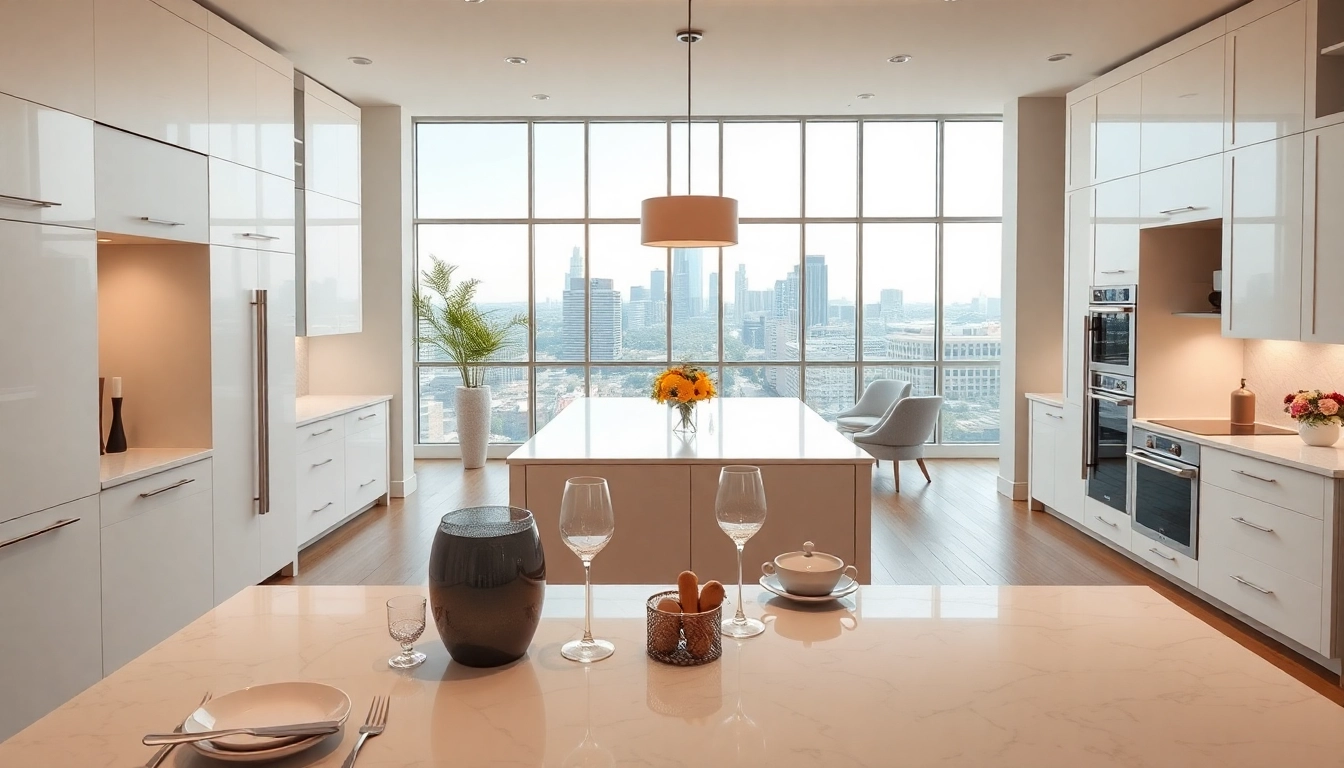
- Open Concept Living: Balancing modern preferences with colonial charm can be achieved through thoughtful design.
- Smart Home Features: Integrating technology for efficiency while preserving aesthetic integrity is vital for modern living.
Enhancing Curb Appeal Post-Renovation
The exterior of a home plays a significant role in its overall appeal. Simple enhancements can significantly elevate curb appeal:
- Landscaping: Consider planting native plants that reflect the local ecosystem and enhance curb appeal without detracting from historical charm.
- Facade Renovations: Refinishing or painting the façade can give your home a fresh look while respecting its historical significance.
- Outdoor Living Spaces: Creating inviting patios or porches can improve functionality and aesthetic appeal.
Frequently Asked Questions
How can I preserve the historical elements of my colonial home during renovation?
Utilize period-appropriate materials, consult with preservation specialists, and adhere to local historic preservation guidelines to maintain authenticity.
What permits do I need for a colonial home renovation?
Permits vary by locality but often include building, electrical, and plumbing permits. Check with local authorities to ensure compliance with zoning laws.
How long does a colonial home renovation typically take?
Renovation timelines depend on the scope and complexity of the project, ranging anywhere from a few months to over a year for extensive renovations.
Are there financing options available for colonial home renovations?
Yes, many banks and credit unions offer renovation loans specifically for historic properties, as well as grants through preservation programs.
What are the best ways to modernize an old colonial house?
Incorporate energy-efficient systems, modern amenities discreetly, and explore open floor plans while ensuring original character is preserved.