
Understanding Peptides in Skincare
What are Peptides?
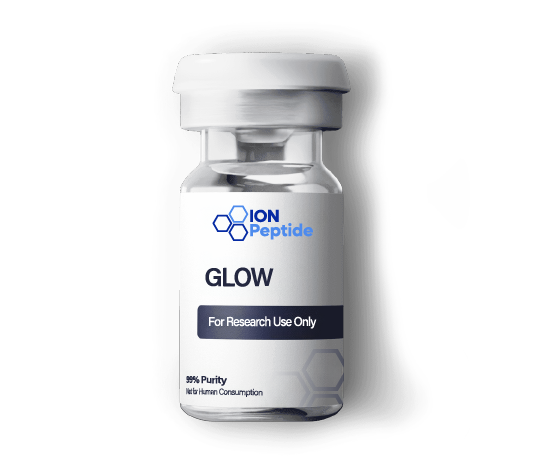
Peptides are short chains of amino acids that serve as the building blocks of proteins. In skincare, these molecules are celebrated for their ability to penetrate the skin barrier and signal cells to perform specific functions, such as repairing skin damage and stimulating collagen production. By mimicking the natural molecules found in our skin, peptides play a crucial role in various physiological processes, making them integral to modern skincare formulations. Their growing popularity is driven by the increasing demand for effective anti-aging and skin-rejuvenating products, like GLOW.
The Role of Peptides in Skin Health
Peptides enhance skin health by promoting various beneficial processes. They help improve skin elasticity, reduce the appearance of fine lines and wrinkles, and improve the overall skin texture. When applied topically and absorbed, peptides can stimulate fibroblast cells to produce more collagen and elastin, which are essential for maintaining youthful skin. Additionally, certain peptides have anti-inflammatory properties, helping to soothe irritated skin and reduce redness.
Types of Peptides Used in Skincare
Several types of peptides are utilized in skincare products, each offering unique benefits:
- Signal Peptides: These peptides communicate with skin cells to stimulate collagen and elastin synthesis. They are crucial for skin regeneration.
- Carrier Peptides: These help deliver trace elements like copper that aid in wound healing and collagen production, enhancing skin repair processes.
- Enzyme Inhibitor Peptides: These peptides help inhibit the enzymes that break down collagen, preserving skin firmness and elasticity.
- Neuropeptides: These can help relax facial muscles, reducing the appearance of fine lines through a botox-like effect.
Benefits of Peptide-Based Products
How Peptides Improve Skin Appearance
Peptide-based products are known for their immediate and long-term benefits for skin appearance. They help in plumping the skin, providing a youthful radiance while actively combating signs of aging. The incorporation of peptides into your skincare routine can lead to smoother skin texture and a more even tone. Clinical studies have shown that regular use of peptide-infused products can lead to visible results in just a few weeks, enhancing skin luminosity.
Long-Term Advantages of Regular Use
Consistent use of peptide-based products can yield significant long-term advantages. These include increased collagen production, improved hydration levels, and enhanced skin barrier function. Over time, regular application helps mitigate age-related changes like sagging and dryness, allowing for a more youthful appearance. Furthermore, peptide serums can also aid in a stronger defense against environmental stressors, prolonging skin youthfulness.
Combining Peptides with Other Active Ingredients
One of the most potent strategies in skincare is combining peptides with other active ingredients for enhanced efficacy. For instance, pairing peptides with hyaluronic acid can result in deeply hydrated skin, as peptides stimulate collagen production while hyaluronic acid binds moisture. Likewise, combining peptides with antioxidants, such as vitamin C, can help combat free radicals, providing a multi-faceted approach to skin health.
Formulations and Product Selection
Choosing the Right Peptide Products
Selecting the right peptide product can significantly impact your skincare routine’s effectiveness. It’s essential to consider the specific skin concerns you want to address. For anti-aging, look for products with signal and neuropeptides, while for hydration, choose those containing carrier peptides. Ensure that the peptide concentration is appropriate for your skin type to avoid sensitivity while maximizing efficacy.
Concentration and Formulation Types
Peptide concentration plays a critical role in product performance. It’s advisable to choose products with a concentration between 2% and 5%, depending on the formulation type. Common formats include serums, creams, and masks. Generally, serums have a higher concentration of active ingredients, allowing for deeper penetration and faster results. Creams may provide additional hydration due to their moisturizing properties, making them suitable for dry skin types.
Understanding Labels and Ingredients
When evaluating peptide skincare products, carefully read the ingredient labels. Look for specific peptide names, such as Palmitoyl Pentapeptide or Acetyl Hexapeptide, as these indicate reputable formulation. Pay attention to the order of ingredients, as those listed higher typically have a higher concentration. Also, consider the presence of supportive ingredients like vitamins and antioxidants that may enhance peptide efficacy.
Application Tips for Maximum Benefits
How to Apply Peptide Products
To optimize the benefits of peptide products, proper application techniques are essential. Start with clean, dry skin. Apply the product evenly across the face using gentle tapping motions rather than rubbing. This method encourages better absorption. If using multiple skincare products, layer in order of thinnest to thickest consistency, ensuring that peptides have the chance to penetrate the skin effectively.
Building a Daily Regimen with Peptides
Incorporating peptides into your daily regimen can be seamless and effective: begin by cleansing your skin, followed by an appropriate toner if desired. Next, apply your peptide serum and allow it to absorb fully before layering a moisturizer on top to lock in hydration. Consider using peptide-based products in the morning and evening for maximum benefits.
When to Expect Results
While individual results may vary, many users begin to notice improvements in skin texture and tone after approximately four to six weeks of consistent use. Full benefits, particularly for deep wrinkles or significant sagging, may take up to three months, emphasizing the importance of persistence in any skincare regime. Regular application and patience are key to enjoying the transformative effects of peptides.
Addressing Common Concerns
Are Peptides Suitable for All Skin Types?
Yes, peptides are generally suitable for all skin types, including sensitive skin. However, it is important to conduct a patch test before trying new products to ensure no adverse reactions occur. Different formulations are available to cater to specific skin needs.
Potential Side Effects of Peptide Usage
While peptides are considered safe for most people, some individuals may experience mild irritation or allergic reactions. These side effects can often be mitigated by choosing products formulated without additional irritants and by introducing them gradually into your skincare routine.
Frequently Asked Questions
What are peptides, and how do they work?
Peptides are short chains of amino acids that signal skin cells to produce collagen and elastin, promoting healing and reducing signs of aging.
Can I use peptide products with other actives?
Yes, peptides can be effectively combined with other active ingredients like hyaluronic acid and antioxidants for enhanced benefits.
How long does it take to see results from peptide products?
Users typically notice visible improvements in skin texture and tone within four to six weeks of consistent usage.
Are peptide-based products safe for sensitive skin?
Most peptide products are safe for sensitive skin, but a patch test is advisable to check for any adverse reactions.
Can I use peptides during the daytime?
Yes, peptides can be used both morning and night as part of a comprehensive skincare routine.