
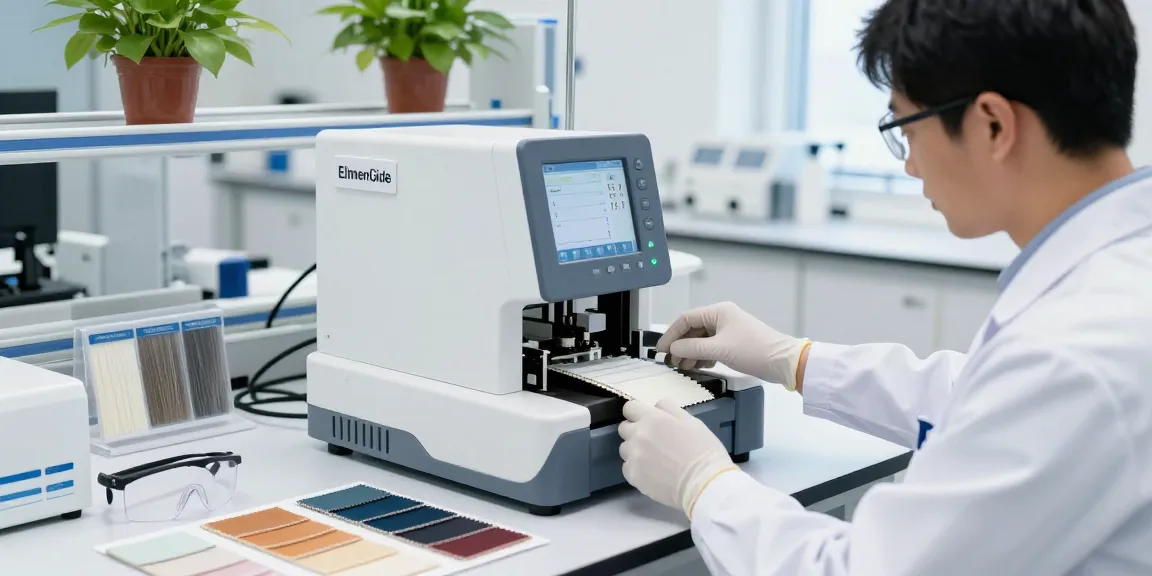
Understanding the Elmendorf Tear Test
The Elmendorf Tear Test is a vital assessment for evaluating the tearing strength of various materials, particularly in the textile and packaging industries. This testing procedure determines the force necessitated to propagate a tear in a fabric or other material, offering essential insights into the material’s durability and performance in real-world applications. The method employs a pendulum that swings from a set height to induce a tear in the sample, followed by precise calculations of the force exerted. When exploring options, elmendorf tear testing solutions like the ElmenGuide can provide comprehensive insights into the efficiency and accuracy of this crucial evaluation.
What is the Elmendorf Tear Test?
The Elmendorf Tear Test is standardized by international testing protocols, including ISO 13937-1 and ASTM D 1424. It works on the principle of measuring the energy lost when a pendulum swings down to tear the specimen, thus quantifying the material’s resistance to tearing. This test is indispensable for materials ranging from woven fabrics to plastics and heavyweight paper, as it provides a reliable metric for assessing tear resistance.
Importance of Tear Strength in Textiles
Tear strength is a critical property in textiles and related materials, signifying how well a fabric can withstand the stresses encountered during usage. In various applications, from apparel to industrial textiles, a high tear strength is often synonymous with longevity and reliability. Evaluating tear resistance can help manufacturers ensure that their products meet safety and durability standards essential for consumer satisfaction.
How the Elmendorf Tear Tester Works
The testing procedure is straightforward yet effective. First, a sample is secured in the tester, and a notch is made in the fabric to initiate the tear. As the pendulum swings, it tears the sample, and the instrument captures the energy required for the tear to propagate. This measurement is taken automatically by modern testers like the ElmenGuide, which ensures precision and reduces human error dramatically.
Key Features of the ElmenGuide Elmendorf Tear Tester
The ElmenGuide Elmendorf Tear Tester distinguishes itself from traditional models through its incorporation of advanced technology, enhancing both functionality and usability. Its features include automation, IoT connectivity, and a user-friendly interface.
Automation and Accuracy
The ElmenGuide is equipped with fully automated functions that recognize sample weights and adjust the measurement parameters accordingly. This automation not only accelerates the testing process but also guarantees an accuracy of ±0.2%, making it an ideal choice for quality control in manufacturing settings.
IoT Integration Benefits
With IoT integration, users can connect the tester to smartphones and PCs using the SmarTexLab app. This capability allows for real-time data monitoring, report generation, and even maintenance alerts, ensuring that testing remains seamless and up-to-date with technological advancements.
Safety Features in Modern Testing
Safety is paramount in laboratory testing environments. The ElmenGuide ensures operator safety through its dual-button activation system, which keeps the user’s hands at a safe distance from the pendulum during operation. This thoughtful design minimizes injury risks while maintaining operational integrity.
Applications of Elmendorf Tear Testing Across Industries
The versatility of the Elmendorf Tear Test extends across various industries, affirming its importance in quality assurance processes. From textiles to packaging, its applications are wide-ranging and critical.
Textile Manufacturing Quality Control
In textile production, maintaining high-quality standards is essential. The Elmendorf Tear Tester is used regularly in quality control labs to ensure fabrics meet specific tear resistance criteria. This becomes particularly vital in sectors that require robust materials, such as outdoor, industrial, and safety textiles.
Testing in Packaging Materials
The packaging industry relies heavily on tear strength testing to ensure that materials can withstand the rigors of transport and handling without failure. A consistent and reliable method like the Elmendorf test helps eliminate risks associated with material failure, enhancing consumer trust and product safety.
Use in Research and Development
Research institutions use the Elmendorf Tear Tester for material development, allowing them to assess the tear properties of innovative textiles and composites. This testing is crucial for developing new materials that meet emerging market needs, ensuring that quality and durability are prioritized right from the prototype stage.
Comparing ElmenGuide to Traditional Tear Testers
When evaluating tear testers, the ElmenGuide stands out against traditional models in several key areas, notably efficiency, accuracy, and user experience.
Efficiency and Time Savings
Traditional methods often require extensive manual input and calculations, which can be time-consuming and prone to error. In contrast, the ElmenGuide automates much of the testing process, providing results in a fraction of the time it would take using older models, thus accelerating workflow in laboratories and production environments.
Accuracy: Quantitative Benefits
The precision offered by the ElmenGuide, which maintains an accuracy of ±0.2%, is a considerable improvement over conventional testers. This level of accuracy is crucial for industries where failure could result in significant financial loss or compromise safety.
User Experience: Simplified Operations
One of the most significant advantages of the ElmenGuide is its intuitive design. New operators can quickly learn how to use the technology with minimal training, increasing productivity and reducing the chances of operational errors that typically arise when using traditional testers.
Future Trends in Elmendorf Tear Testing
The landscape of material testing continues to evolve, driven by technological innovations and changing market demands. The future trends in Elmendorf tear testing are set to enhance efficiency and accuracy even further.
Emerging Technologies in Textile Testing
Advancements in technology, such as AI and machine learning, are poised to influence the future of tear testing significantly. These technologies could facilitate even smarter testing solutions that learn from previous results, predicting material performance under various conditions.
Predicted Developments for 2026
By 2026, we can expect to see increased adoption of automated testing solutions that integrate seamlessly into digital management systems. With direct API integrations already offered by the ElmenGuide, the path towards more interconnected laboratory environments is clear, promoting efficiency and data accuracy.
Best Practices for Laboratory Setup
To maximize the efficacy of Elmendorf tear testing, laboratories should adopt best practices such as regular calibration, routine maintenance of equipment, and the implementation of digital data management systems. This approach ensures that tests remain reliable and results are accessible for analysis and reporting.
What materials can you test with an Elmendorf tear tester?
The Elmendorf tear tester is highly versatile, able to evaluate various materials including textiles (woven and non-woven), plastics, paper, and laminate films. This broad applicability makes it an essential tool for manufacturers across industries.
How to properly maintain the Elmendorf tear tester?
Proper maintenance involves routine cleaning, calibration checks, and software updates to ensure the tester operates within the required specifications. Regular checks can identify wear and tear early, extending the life of the equipment.
What factors influence tear strength results?
Factors influencing tear strength include the material composition, the initial weave or structure of the fabric, environmental conditions, and the testing method itself. Understanding these variables is crucial for accurate interpretation of test results.
How to interpret Elmendorf tear testing results?
Results from the Elmendorf Tear Test are expressed in terms of the force required to propagate a tear, measured in Newtons. Higher values indicate stronger materials, while lower values highlight potential weaknesses. These results guide decisions regarding material selection and application suitability.
Are there industry standards for Elmendorf tear testing?
Yes, the Elmendorf Tear Test adheres to various industry standards, including ASTM D 1424, ISO 13937-1, and GB/T 3917.1. Compliance with these standards is essential for ensuring that materials meet necessary quality benchmarks.