
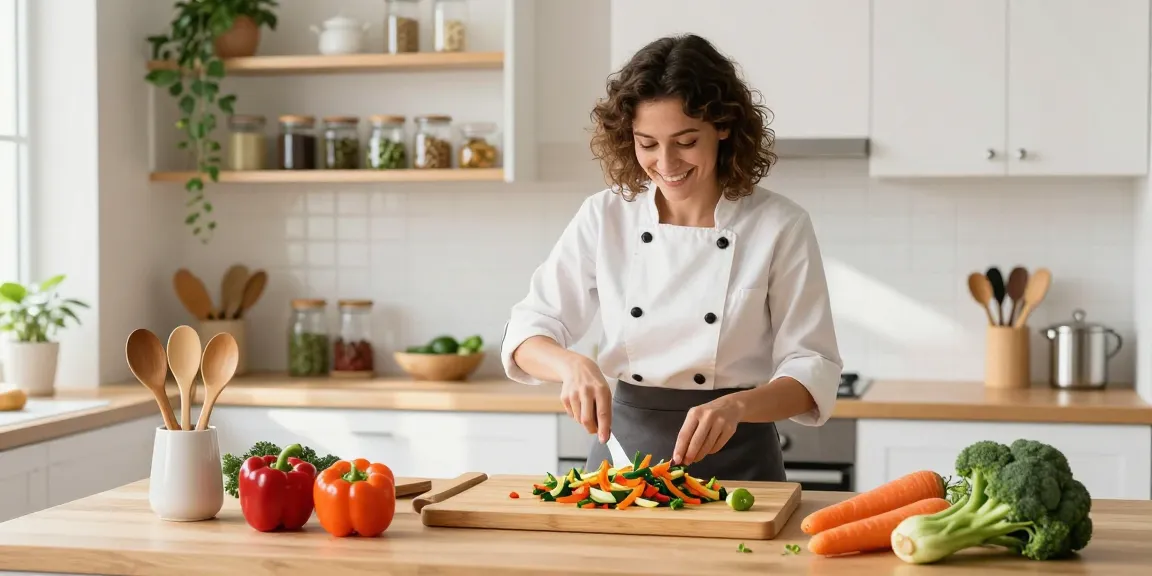
Understanding Bamboo Cutting Boards
Bamboo cutting boards have gained immense popularity in kitchens around the world due to their eco-friendly properties and durability. As culinary enthusiasts and home cooks alike become more conscious of sustainable practices, bamboo emerges as a preferred choice for kitchenware. Unlike traditional wooden boards, bamboo cutting boards are made from fast-growing bamboo grass, making them a sustainable option that also provides strength and beauty to kitchen spaces. When exploring options, bamboo cutting boards can serve as effective tools for both food prep and aesthetic enhancement.
What Are Bamboo Cutting Boards?
Bamboo cutting boards are kitchen utensils crafted from bamboo, a highly sustainable grass known for its rapid growth and strength. These boards are often engineered from layers of bamboo fibers glued together, which enhances their durability and provides a firm surface for chopping. Unlike plastic boards that can harbor bacteria and are less eco-friendly, bamboo boards are naturally antimicrobial and easier on knife edges, reducing wear and tear on blades.
Benefits of Using Bamboo Cutting Boards
- Sustainability: Bamboo is a renewable resource that grows rapidly without the need for fertilizers or pesticides, making it an environmentally friendly choice.
- Antimicrobial Properties: The natural properties of bamboo inhibit the growth of bacteria, making it a safer option for food preparation.
- Durability: Bamboo cutting boards can withstand heavy use, resisting warping and cracking better than many traditional wooden boards.
- Knife Preservation: Bamboo is gentle on knives, ensuring that blades remain sharp for a longer period.
- Cost-Effectiveness: Generally, bamboo cutting boards are more affordable than hardwood options, providing great value for their quality.
Comparative Analysis: Bamboo vs. Traditional Wood Cutting Boards
When comparing bamboo cutting boards to traditional wooden boards, several factors come into play:
- Weight: Bamboo boards are lighter than most hardwood options, making them easier to handle.
- Maintenance: While both types require care, bamboo boards are often easier to clean and maintain. Bamboo can be cleaned with mild soap and water and should not be soaked.
- Price: Bamboo boards typically have a lower price point compared to premium hardwood options like cherry or walnut.
- Environmental Impact: Bamboo’s rapid growth cycle and renewability make it a more sustainable option than many traditional hardwoods.
Choosing the Right Bamboo Cutting Board
Selecting the perfect bamboo cutting board can significantly affect your cooking experience. It’s essential to consider several factors to ensure you make a well-informed choice that meets your specific needs.
Factors to Consider When Buying Bamboo Cutting Boards
- Size: Choose a size that fits your kitchen space and cooking habits. Larger boards are better for extensive meal prep, while smaller boards may suffice for simple tasks.
- Thickness: Thicker boards typically offer more durability and stability, making them suitable for heavy-duty use.
- Finish: Look for boards with a food-safe finish to ensure they are safe for food preparation and do not leach harmful chemicals.
- Brand Reputation: Opt for brands known for quality and sustainability in their manufacturing practices.
Different Types of Bamboo Cutting Boards
Bamboo cutting boards come in several varieties, each suited for different culinary tasks:
- Standard Boards: Ideal for daily chopping and prep work, these versatile boards can handle various food types.
- Double-Sided Boards: Offering a different surface on each side, these are perfect for preventing cross-contamination.
- Boards with Juice Grooves: Ideal for cutting juicy fruits or vegetables, these boards are designed to catch excess juices.
- Gift Sets: Many manufacturers offer beautiful sets that include various sizes, perfect for gifting or for those who enjoy a range of kitchen tasks.
Top Brands and Manufacturers in 2026
As the market for bamboo cutting boards expands, several brands have established themselves as leaders:
- Royal Craft Wood: Known for quality and sustainable practices, they offer various bamboo cutting board options.
- Totally Bamboo: A popular choice for eco-conscious consumers, their boards are aesthetically pleasing and functional.
- Bright Links USA: Offers a robust selection of bamboo cutting boards that combine quality with affordability.
Care and Maintenance of Bamboo Cutting Boards
Proper care is crucial for maintaining the longevity and functionality of bamboo cutting boards. Implementing effective cleaning and maintenance strategies can keep them in optimal condition.
How to Clean and Disinfect Bamboo Cutting Boards
Cleaning bamboo cutting boards is straightforward. Use warm water and mild detergent to scrub the surface, and avoid soaking to prevent damage. Disinfecting can be done with a solution of vinegar and water or diluted bleach, ensuring thorough rinsing afterwards.
Best Practices for Storing Bamboo Cutting Boards
Store bamboo cutting boards in a dry environment to prevent moisture absorption. Keeping them upright or in a designated holder can help maintain their shape and prevent warping.
Signs Your Bamboo Cutting Board Needs Replacement
Recognizing when to replace your bamboo cutting board is essential. Look for deep scratches, odors that linger after cleaning, or any signs of warping or cracking. If the surface begins to splinter, it’s time for a new board to ensure food safety.
Innovative Uses for Bamboo Cutting Boards
Bamboo cutting boards are versatile and can be used for more than just food prep. Here are some innovative applications to consider:
Beyond Cutting: Creative Applications in the Kitchen
- Serving Platter: Use your bamboo board to serve cheese, charcuterie, or snacks during gatherings.
- Decorative Piece: A well-designed bamboo board can add visual interest to your kitchen decor.
- Food Presentation: Use it as a backdrop for food photography or plating, enhancing the visual appeal of your meals.
Decorative Ideas Using Bamboo Cutting Boards
Incorporating bamboo cutting boards into your kitchen design can add warmth and charm. Displaying them on a countertop or hanging them on a wall can create an inviting and stylish atmosphere.
How Bamboo Cutting Boards Enhance Kitchen Aesthetics
The natural grain and color of bamboo provide an organic touch to kitchen aesthetics. They can complement various design themes, from rustic to contemporary, making them a beautiful addition to any culinary space.
Future Trends for Bamboo Cutting Boards
The bamboo cutting board market is evolving, with several trends expected to shape its future in 2026 and beyond. Here’s what to look out for:
Emerging Designs and Features in 2026
Innovations in design are set to enhance usability and convenience. Features such as integrated storage for knives, multifunctional designs that combine cutting boards and serving dishes, and customizable sizes are on the horizon.
Environmental Impact and Sustainability Practices
As awareness of environmental issues grows, manufacturers are increasingly adopting sustainable practices. Look for boards made from responsibly sourced bamboo, using non-toxic adhesives and finishes.
Expert Opinions on the Future of Bamboo Kitchenware
Industry experts predict continued growth for bamboo kitchenware as consumers seek eco-friendly alternatives. The combination of functionality and sustainability is likely to drive innovations that meet the needs of modern kitchens.
What are the main benefits of bamboo cutting boards?
Bamboo cutting boards offer several unique advantages, including sustainability, natural antibacterial properties, and their ease of maintenance. These benefits make them a preferred choice for kitchen essentials.
How do I properly maintain my bamboo cutting board?
To maintain your bamboo cutting board, clean it after each use with warm, soapy water, dry it immediately, and occasionally treat it with mineral oil to preserve its surface and enhance longevity.
Are bamboo cutting boards dishwasher safe?
Generally, bamboo cutting boards are not dishwasher safe as high temperatures and moisture can warp the material. It is best to clean them by hand to ensure their longevity.
What size bamboo cutting board is best for home use?
The best size depends on your kitchen space and cooking needs. A medium-sized board (around 18×12 inches) is typically versatile enough for most kitchen tasks.
How does bamboo cutting board compare in durability to plastic boards?
Bamboo cutting boards are often more durable than plastic boards, as they are less likely to warp under heat and provide a firmer cutting surface that is gentle on knife edges.