
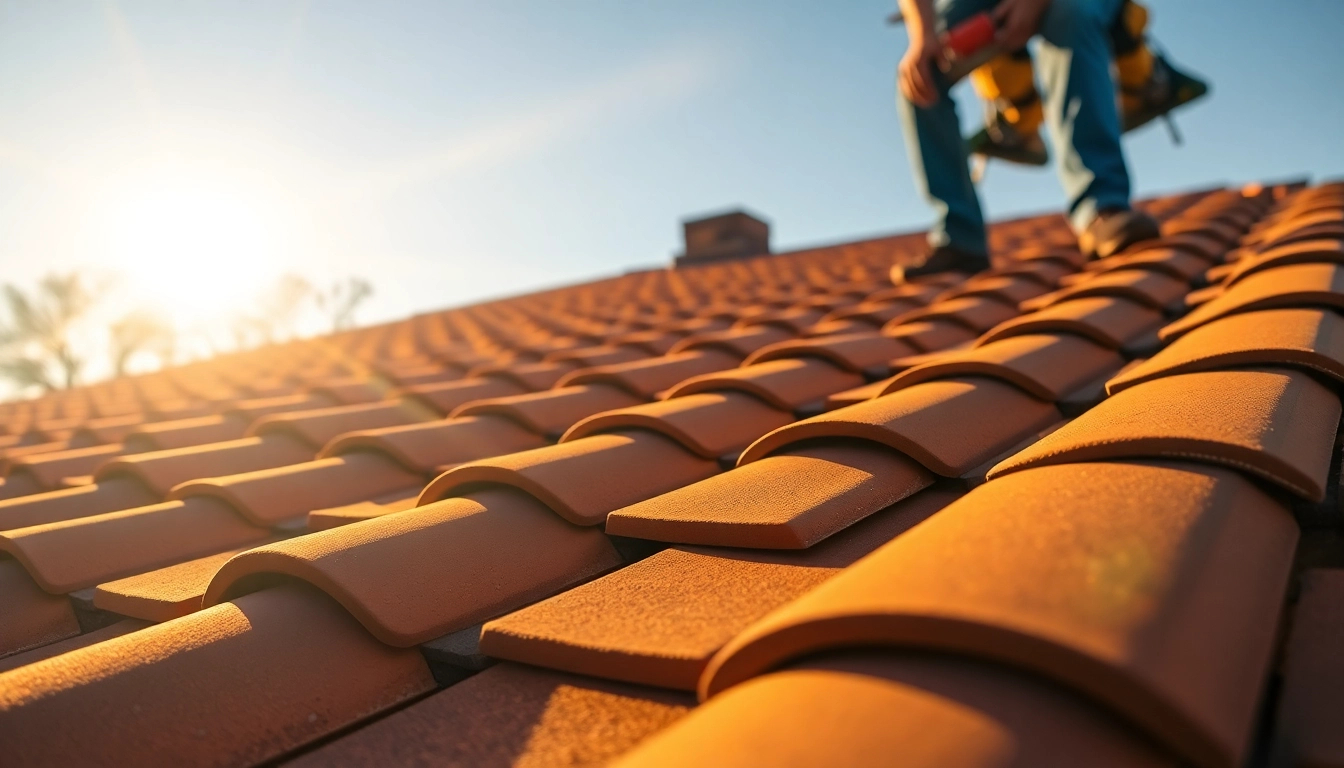
The Essential Guide to Roofing in South Jersey
Roofs are more than just a protective barrier; they play a pivotal role in the aesthetics and energy efficiency of a home. If you are a homeowner in South jersey, understanding the various aspects of roofing can help you make informed decisions that benefit your property’s value and safety. This guide covers essential topics related to roofing styles, materials, and best practices to ensure your home is well-protected and visually appealing.
Understanding the Different Roofing Styles Available
The architectural style of your home often dictates the type of roofing that works best for it. Below are some common roofing styles found in South Jersey:
- Gable Roofs: Characterized by their triangular shape, gable roofs are one of the most popular styles, allowing for excellent ventilation and drainage.
- Hip Roofs: With slopes on all four sides, hip roofs are known for their stability and resistance to high winds, making them suitable for areas prone to storms.
- Flat Roofs: Often seen in commercial buildings, flat roofs can also be utilized in residential settings. They offer a modern look but require more upkeep to prevent water pooling.
- Mansard Roofs: This style features two slopes on each side, providing extra living space and an elegant appearance.
- Gambrel Roofs: Common in barns and traditional homes, gambrel roofs have steep sides that allow for additional attic space.
Choosing the appropriate roofing style can enhance not only the functionality of your roof but also the overall appeal of your home.
Common Roofing Materials Used in South Jersey
When selecting roofing materials, consider both aesthetics and functionality. Here are some widely used materials in South Jersey:
- Asphalt Shingles: The most common roofing material due to cost-effectiveness and a variety of designs. They are easy to install and replace.
- Metal Roofing: Known for its durability, metal roofs can last up to 50 years. They are available in various styles and colors, providing not only practicality but also aesthetic flexibility.
- Slate Roofing: A premium option, slate roofs are extremely durable and can last over a century. They offer a unique, upscale appearance but involve a higher upfront investment.
- Tile Roofing: Particularly in warmer climates, tile roofs stand out for their longevity and energy efficiency. They can be made of clay or concrete and offer excellent insulation.
- Wood Shakes and Shingles: While offering a natural aesthetic, these materials require regular maintenance to prevent rot and insect damage.
Consider your budget, local climate, and style preferences when selecting roofing materials. Consulting with a professional can also guide you in making the best choice.
Choosing the Right Contractor for Your Roof
Finding a reliable roofing contractor is crucial for ensuring a high-quality installation or repair. Here are some tips:
- Research Local Contractors: Seek recommendations from friends or family and read online reviews. It’s essential to find contractors with a solid reputation in South jersey.
- Check Credentials: Ensure the contractor is licensed, insured, and bonded to protect yourself from potential liabilities.
- Request Quotes: Obtaining multiple quotes helps you understand the market rate and makes comparisons easier. Ensure all quotes include similar details.
- Review Past Work: Ask to see previous projects completed by the contractor. This can offer insight into the quality of their work.
- Discuss Warranties: A trustworthy contractor will provide warranties on both materials and labor, emphasizing their confidence in their work.
By following these guidelines, you can identify a contractor who meets your needs and ensures that your roofing project runs smoothly.
Signs You Need a Roof Repair or Replacement in South Jersey
Identifying Common Roofing Problems
Being able to spot potential roof issues early can save you significant expenses down the road. Here are common signs to look for:
- Leaks: Water stains on ceilings or walls can signal roofing issues, suggesting leaks that need immediate attention.
- Curling or Cracked Shingles: Damaged shingles can lead to further leakage and should be replaced to maintain your roof’s integrity.
- Growth of Moss or Algae: Growth on shingles indicates moisture retention, which can expedite roof deterioration if unaddressed.
- Missing Shingles: Extreme weather can cause shingles to blow off, leaving your roof vulnerable to damage. Immediate replacement is crucial.
- Excessive Granules in Gutters: Finding shingle granules in your gutters signifies that your shingles are deteriorating.
If you notice any of these issues, it’s vital to contact a roofing professional for an inspection and possible repairs.
When to Call a Professional for Roofing Needs
There are certain situations when hiring a professional is necessary:
- After Storm Damage: Call a contractor after severe weather events for inspection, even if no immediate damage is visible.
- Major Renovations: If you’re considering a complete roof replacement or major upgrades, professional expertise is essential.
- Age-Related Issues: If your roof is older than its expected lifespan, consult a contractor for evaluation.
- Persistent Leaks: If leaks persist after minor repairs, a professional’s insight will help identify underlying issues.
- Complex Installations: For complicated roofing styles or materials, professional installation is often the safest option.
Recognizing when to call for professional help can save you time, money, and stress.
The Importance of Regular Roof Maintenance in South Jersey
Regular roof maintenance is essential for longevity and functionality. Here are key benefits:
- Extended Lifespan: Regular inspections and minor repairs can significantly extend your roof’s life.
- Cost Savings: Preventative maintenance often costs less than major repairs or replacements, making it a cost-effective strategy.
- Energy Efficiency: A well-maintained roof can improve your home’s energy efficiency, reducing heating and cooling costs.
- Safety: Regular maintenance helps prevent accidents due to sudden roof failures or falling debris.
- Increased Property Value: A maintained roof enhances curb appeal and can elevate your property’s market value.
Creating a regular maintenance schedule with a qualified contractor can help ensure your roof remains in excellent condition.
Cost Factors for Roofing Projects in South Jersey
Estimating Average Roofing Costs
The cost of roofing projects can vary widely depending on several factors:
- Material Selection: Different materials come with different price points; for instance, asphalt shingles are generally more affordable than slate or metal roofing.
- Roof Size: Larger roofs will naturally incur higher costs due to more materials and labor required.
- Roofing Style: Complex roof designs require more planning and labor, increasing the total cost.
- Location: Roofing costs can vary based on local market conditions and labor availability in South Jersey.
- Time of Year: Seasonal fluctuations may impact labor costs; for example, spring and summer might see higher demand and prices.
Gathering multiple quotes can help you better understand average costs for your specific project.
Understanding Labor Costs in the Area
Labor costs are a significant part of your roofing budget. Key factors influencing labor expenses include:
- Expertise and Experience: Experienced contractors may charge more, but their expertise can save you money in the long run.
- Availability: High demand can lead to increased labor costs, especially during peak seasons.
- Complexity of Work: More complicated roof installations or repairs typically require specialized labor, which may incur higher costs.
- Location: Urban vs. rural locations in South Jersey can also influence labor rates due to cost of living variations.
Understanding labor expenses helps you budget more effectively for your roofing project.
Budgeting for Unexpected Roofing Expenses
Unexpected issues can arise during a roofing project. Here are some tips for budgeting effectively:
- Build a Contingency Fund: Set aside 10-20% of your roofing budget for unexpected repairs or costs.
- Inspect Your Roof Thoroughly: A comprehensive inspection prior to any work can help uncover existing problems.
- Communicate Openly: Maintain transparent communication with your contractor about potential issues that could arise.
- Review Contracts: Ensure that all anticipated costs are outlined in your contract to avoid unexpected expenses.
- Understand Home Insurance: Familiarize yourself with your home insurance policy regarding roof damage to understand coverage options.
Preparedness and clear communication can help you manage any unexpected expenses effectively.
Energy Efficiency and Roofing Solutions in South Jersey
Benefits of Energy-Efficient Roofing Materials
Investing in energy-efficient roofing materials is beneficial for both the environment and your wallet. Key advantages include:
- Cost Savings: Energy-efficient roofs can significantly reduce energy bills by maintaining a more consistent indoor temperature.
- Environmental Impact: These roofs often use sustainable materials, helping reduce your carbon footprint.
- Tax Incentives: Energy-efficient home improvements may qualify for federal or state tax credits.
- Improved Comfort: Maintaining consistent temperatures throughout your home enhances overall comfort levels.
- Increased Property Value: Homes with energy-efficient features often attract buyers and may sell at higher prices.
These benefits make energy-efficient roofing a smart investment for homeowners in South Jersey.
How to Choose Eco-Friendly Roofing Options
Choosing eco-friendly roofing involves considering several options that contribute to sustainability. Here’s how to make your choice:
- Assess Material Options: Look for roofing materials made from recycled products or sustainably sourced materials, like metal or rubber.
- Reflective Coatings: Opt for roofing with reflective properties to reduce heat absorption and enhance energy efficiency.
- Consider Green Roofs: Explore installing a green (living) roof, which provides insulation and reduces runoff.
- Energy Star Products: Select roofing materials that meet Energy Star ratings, ensuring efficiency standards are met.
- Consult Expert Recommendations: Engage with roofing professionals skilled in sustainable practices for tailored recommendations.
Selecting eco-friendly options can contribute positively to the environment and lead to long-term savings.
Long-Term Savings from Energy-Efficient Roofing
Investing in energy-efficient roofing not only reduces immediate costs but also leads to long-term savings:
- Lower Energy Bills: Efficient roofing materials can lead to noticeable reductions in energy usage, resulting in lower utility bills.
- Durability: Many energy-efficient roofing materials are designed to last longer, reducing replacement costs over time.
- Increased Home Value: Homes with energy-efficient features can command higher prices in the real estate market.
- Potential Rebates: Various programs may offer rebates for energy-efficient upgrades, further offsetting costs.
- Insurance Discounts: Some insurance companies provide discounts for homes with energy-efficient features, contributing to overall savings.
The long-term financial benefits of energy-efficient roofing make it a wise investment for homeowners.
Frequently Asked Questions about Roofing in South Jersey
What Should I Look for When Inspecting my Roof?
When inspecting your roof, check for missing or damaged shingles, signs of leaks, excessive granules in gutters, and algae or moss growth.
How Long Does a New Roof Typically Last?
The lifespan of a new roof varies with material; asphalt shingles can last 20-30 years, while metal roofs may last 40-70 years with proper maintenance.
Can I Install a Roof Myself?
While DIY roofing is possible, it’s risky. Hiring professionals ensures proper installation and compliance with safety standards and warranty requirements.
What are the Most Durable Roofing Materials?
Slate, tile, and metal roofing are among the most durable materials, often lasting several decades with minimal maintenance, making them excellent investments.
How Do I Prepare for a Roofing Project?
Prepare for your project by clearing the area around your home, notifying neighbors, and discussing logistics with your roofing contractor.